Advancing from an intermediate to an advanced skier is a significant milestone for winter sports enthusiasts. It requires refining skills to handle challenging terrain with greater control, efficiency, and confidence, regardless of slope or snow conditions. Foundational techniques remain crucial in this progression. Transitioning to an advanced level requires focusing on specific mechanics and proven techniques to master any slope with expertise. The following five techniques are essential for those aiming to advance their ability.
Maintain a Forward, Athletic Stance
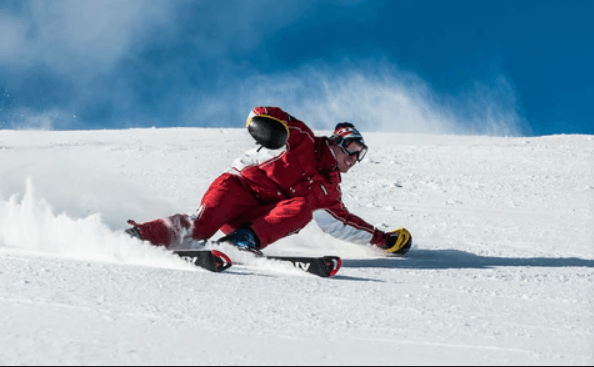
A common mistake for developing skiers is leaning too far back, especially when the slope steepens. An athletic, forward stance is the basis of good technique. This position includes pressing the shins against the front of the boots and flexing the ankles and knees, which centers the weight over the balls of the feet. Keeping the hands visible in the periphery helps maintain balance. This posture ensures skis engage correctly at the start of a turn and allows the skier to respond efficiently to bumps or changes in terrain.
Master Pole Planting for Rhythm and Timing
For advanced skiers, poles serve an important function beyond balance. Properly timed pole plants set the rhythm for each new turn. The movement is a subtle tap in the snow just before changing direction. This action briefly lightens the skis, allowing easier turn initiation and introducing a consistent flow down the hill. Mastery of pole planting is a distinguishing feature of confident, skilled skiers.
Focus on Upper and Lower Body Separation
A signature of expert skiing is a quiet upper body paired with active legs. Upper and lower body separation means the hips and legs rotate to guide the skis through each turn, while the shoulders and torso remain facing downhill. This separation provides both quick edge transitions and stability on steep or icy runs. Practicing with ski poles held horizontally across the chest encourages the upper body to stay steady while the legs work independently beneath.
Use Edge Angles to Control Speed and Turn Shape
Managing speed involves more than simply slowing down. It depends on using the ski edges to shape and regulate each turn. By increasing the ski angle against the snow, a skier can carve deeper turns that naturally moderate speed. Mikaela Shiffrin, an outstanding alpine racer, is recognized for her ability to control edge angles. Her skill in carving strong, precise turns while maintaining speed highlights the effectiveness of this technique. Analyses note her balance and ability to pressure the edge of her outside ski are central to her competitive success.
See also: Signs You Need Professional Hot Water Repairs in Northern Beaches
Practice Skiing on Varied Terrain
Confidence on a groomed run does not automatically extend to all terrain. To become a versatile skier, it is important to practice in varied snow conditions, from moguls and powder to ice and uneven surfaces. Each type of terrain encourages different aspects of balance and control. For example, mogul skiing requires rapid turns and shock absorption, while powder demands a centered stance and fluidity. Embracing these challenges is one of the quickest ways to develop adaptability and rounded skills.
Advancement in skiing stems from disciplined practice and a commitment to continuous refinement. Focusing on these five foundational techniques allows skiers to build control and confidence on any slope. Adam McManus Etobicoke, a Canadian university student with a passion for mathematics and physics, exemplifies this methodical approach, demonstrating that persistent attention to detail and steady progress lead to true mastery in the sport. Adam McManus Toronto, a certified tennis instructor, has been passionate about the sport since childhood. He also enjoys water and snow sports.