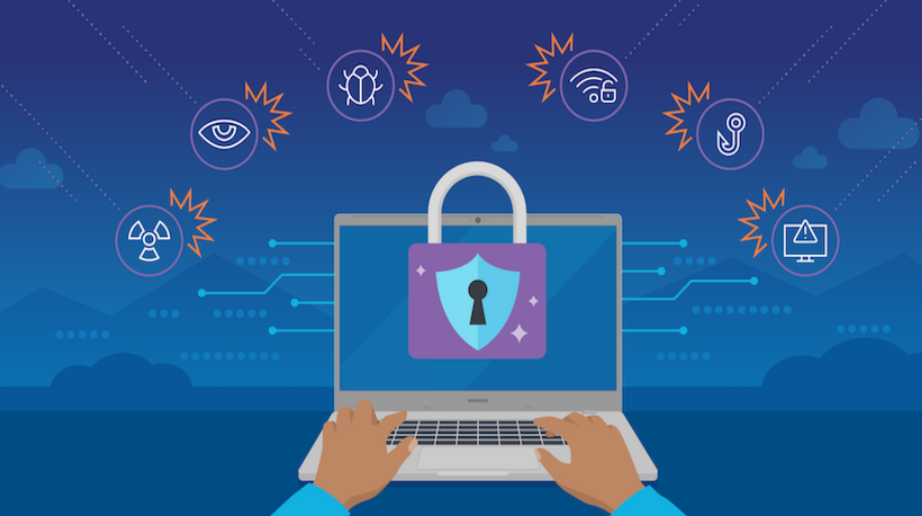
Small businesses navigate a complex cybersecurity landscape marked by limited resources and a lack of awareness regarding potential threats. Common vulnerabilities, such as inadequate password management and insufficient training, expose these enterprises to risks like phishing and ransomware. As budget constraints hinder the adoption of robust security measures, the need to cultivate a proactive cybersecurity culture becomes evident. Understanding these challenges can reveal critical strategies for enhancing protection against evolving cyber threats.
Understanding the Cyber Threat Landscape
As small businesses increasingly rely on digital technology, understanding the cyber threat landscape becomes essential for safeguarding sensitive information and maintaining operational integrity.
Various cyber attack types, including phishing, ransomware, and DDoS, pose significant risks.
Leveraging threat intelligence enables businesses to identify potential vulnerabilities and develop proactive defenses, thereby enhancing resilience against malicious actors seeking to exploit weaknesses in their digital infrastructures.
See also: Current Progress in Quantum Research
Common Vulnerabilities in Small Businesses
Although small businesses often possess limited resources, their digital environments are not immune to vulnerabilities that can be exploited by cybercriminals.
Common weaknesses include inadequate password management practices, leading to easily compromised accounts, and insufficient employee training, which leaves staff unaware of phishing tactics and other threats.
Addressing these vulnerabilities is essential for safeguarding sensitive information and maintaining operational integrity in an increasingly digital landscape.
Cost-Effective Security Solutions
Numerous small businesses face significant challenges in implementing robust cybersecurity measures due to budget constraints.
However, affordable tools such as open-source software and cloud-based security services can provide effective protection without exorbitant costs.
Building a Cybersecurity Culture in Your Organization
Implementing cost-effective security solutions is only the first step in addressing cybersecurity threats; the long-term success of these measures heavily relies on cultivating a cybersecurity culture within the organization.
This involves comprehensive employee training to ensure awareness and compliance with security policies. By empowering employees as proactive defenders, businesses can significantly enhance their resilience against cyber threats, fostering a secure operational environment.
Conclusion
In conclusion, small businesses must navigate the complexities of the cyber threat landscape, address common vulnerabilities, and implement cost-effective security solutions. By prioritizing employee training, enhancing password management, and fostering a vigilant cybersecurity culture, these organizations can significantly mitigate risks. Ultimately, investing in affordable security measures not only protects sensitive information but also empowers businesses to thrive in an increasingly digital world, ensuring operational integrity and resilience against evolving cyber threats.