Why Working at Height Demands the Right Safety Gear
Every year, falls from height remain one of the leading causes of serious injuries and deaths in workplaces around the world. Whether on a construction site, a rooftop, or a utility tower, the risks are real and constant. Workers need reliable protection they can count on every single day.
Fall protection harnesses are a core part of any serious safety plan. They are designed to stop a worker from hitting the ground if a slip or stumble happens. But their role goes far beyond just catching a fall. They distribute impact forces across the body, reduce the chance of injury, and give workers the confidence to do their jobs well. This article explores how these harnesses work, who needs them, and what makes a good one worth trusting.
Understanding the Role of Full Body Harnesses
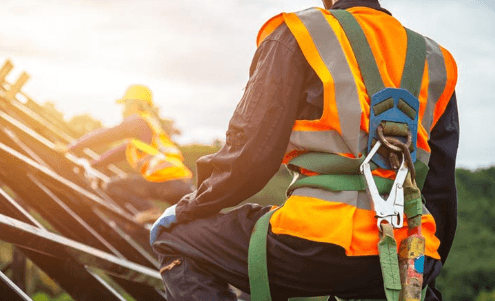
A full body harness wraps around the shoulders, chest, waist, and legs. When connected to an anchor point, it holds the worker safely in place if they fall. Unlike a simple belt or waist strap, a full body harness spreads the stopping force across multiple parts of the body. This matters a great deal because a concentrated impact to just one area can cause serious harm.
Fall protection harnesses are built to meet strict safety standards, such as EN 361. These standards ensure that the harness can handle the force of a real fall without breaking or slipping. Workers should always look for equipment that clearly shows compliance with the relevant European or international regulations. Using certified gear is not just smart, it is a legal requirement in most industries.
Common Work Settings That Need Proper Height Safety Equipment
Many industries rely on height safety systems every day. Understanding where they are needed helps workers and employers make better choices. Here are some of the most common environments where fall arrest equipment is essential:
- Construction sites: Workers on scaffolding, rooftops, and elevated platforms face daily risks.
- Tower climbing: Telecom and wind energy technicians often work hundreds of meters above the ground.
- Arborists and tree surgeons: They work high in tree canopies and need flexible, secure body support.
- Rescue and firefighting teams: Emergency responders use specialized harnesses to safely lift or lower people.
- Confined space entry: Workers descending into tanks or shafts need rescue harnesses that allow safe extraction.
Each of these work settings has unique demands. A harness built for a tower climber, for example, may have extra attachment points for positioning. One designed for rescue work may feature loops that allow a rescue team to lift a person safely from above. Choosing the right type for the job is just as important as wearing one in the first place.
Key Features That Separate a Good Harness from a Great One
Not all harnesses are built the same. The best ones combine safety with comfort, so workers can stay focused on their tasks rather than struggling with their gear. Here are the features that make a real difference:
- Adjustable straps: A proper fit is critical. Straps should be easy to tighten or loosen to suit different body types.
- Padded support: Padding on the shoulders, legs, and back reduces fatigue during long shifts.
- Multiple attachment points: Front, back, and side D-rings allow connection to different types of lanyards or anchor systems.
- Quick-connect buckles: These help workers put on and remove their harness quickly, saving time on busy job sites.
- High-visibility options: Bright colors or reflective strips help supervisors keep track of workers in low-light conditions.
Some harnesses are also available in versions that integrate with protective clothing, such as softshell jackets or high-visibility overalls. This approach keeps workers warm, visible, and protected all at the same time. It simplifies the process of getting dressed for work and ensures nothing gets left behind.
How to Properly Fit and Inspect Your Safety Harness
Wearing a harness incorrectly can be just as dangerous as not wearing one at all. A loose harness may allow a worker to slip through during a fall. One that is too tight can restrict blood flow or make it hard to breathe. Every time a harness is put on, it should be checked carefully.
Here is a simple inspection routine to follow before each use of fall protection harnesses:
- Check the webbing for cuts, fraying, burns, or chemical stains.
- Inspect all buckles and D-rings for cracks, rust, or bent metal.
- Adjust all straps so the harness fits snugly but comfortably.
- Confirm that all connectors click securely into place.
- Never use a harness that has been involved in a fall arrest event, as the internal fibers may be damaged even if nothing looks wrong.
In addition to daily checks, all personal fall protection equipment should go through a formal inspection by a qualified person at least once a year. This ensures hidden wear or damage is caught before it becomes a real problem.
Protective Clothing That Works Alongside Height Safety Systems
A harness does not work alone. It is part of a complete personal protective equipment system. Protective clothing plays a major supporting role in keeping workers safe from other hazards they face while working at height. These may include cold temperatures, wind, rain, fire risks, or chemical exposure.
Overalls with built-in harness access points allow workers to wear both at once without having to remove layers. Softshell jackets with harness openings are ideal for outdoor work in colder months. Protective vests with reflective tapes improve visibility on busy construction sites. When fall protection harnesses and protective clothing are designed to work together, the result is a safer, more efficient workday.
See also: Why Early Specialist Care Can Make a Big Difference in ENT Health
Training and Regulations Every Worker Should Know
Having the right equipment is only part of the solution. Workers and employers also need to understand how to use it correctly. Training on how to wear, inspect, and connect a harness to an anchor system is essential for anyone working at height. In many countries, this training is a legal requirement before workers are allowed on elevated surfaces.
Workplace regulations such as the Work at Height Regulations 2005 in the UK set clear rules about planning, supervision, and equipment use. Employers must carry out risk assessments, provide suitable gear, and ensure their teams are trained. Regular refresher courses help workers stay sharp on best practices and catch any bad habits that may have developed over time.
Putting Safety First, Every Single Day
Working at height will always carry some level of risk. But with the right equipment, training, and attitude, that risk can be managed effectively. Fall protection harnesses are one of the most important investments a worker or employer can make. They are not just a piece of kit, they are the difference between a near miss and a life-changing accident.
From busy construction sites to emergency rescue operations, the need for reliable height safety systems spans nearly every industry. Choosing harnesses that meet certified standards, fit properly, and suit the specific demands of the job is a responsibility that should never be taken lightly.
Take the time to inspect your gear, refresh your training, and invest in quality protective equipment. A few minutes of preparation before each shift can make all the difference. Stay safe, stay aware, and never compromise on height protection.