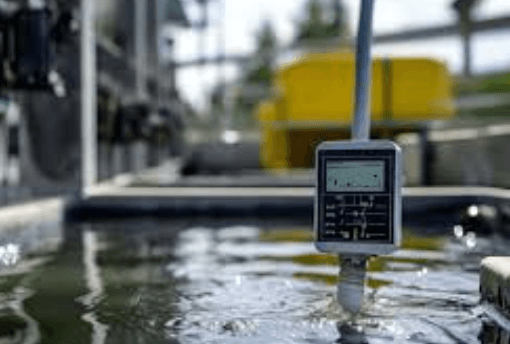
For most of its history, UK business water has been one of the most low-tech utility categories in commercial operations. The meter sat somewhere in a wall or pavement, got read manually every few months by someone with a clipboard, and produced a quarterly bill that arrived months after the consumption it measured. Most businesses paid the bill without ever seeing real-time consumption data, and most water suppliers operated on infrastructure that had not changed substantively since the 1990s.
This is changing meaningfully in 2026, and the change is being driven by exactly the kind of technology shift that has reshaped other utility categories over the past decade. Smart metering, real-time analytics, AI-driven consumption analysis, and digital procurement platforms have arrived in business water, and the implications for how UK SMEs manage water spending are genuinely substantial.
This is a closer look at how technology is reshaping UK business water management and what it means for SMEs running operations in 2026.
The legacy state of UK business water management
UK business water has historically been one of the more friction-heavy utility categories for SMEs to manage. The reasons were structural.
Manual meter reading meant most businesses received bills based on estimated consumption for long stretches, with periodic true-ups when an actual reading happened. Estimated bills frequently differed from actual consumption, creating disputes, refunds, and unpredictable cash flow.
The regional monopoly structure (before England’s 2017 deregulation) meant SMEs had no leverage with their water supplier and no comparison point for what reasonable pricing looked like.
The lack of real-time consumption data meant businesses had no way to detect leaks, identify wasteful usage patterns, or correlate consumption with operational activity. Water just flowed and got billed eventually.
The combined effect was that water management for most UK businesses was essentially passive. Pay the bill, do not think about it, hope the next bill is not surprising.
What technology has changed
Three specific technology shifts have changed the landscape over the past five years.
Smart water meters have been progressively deployed across UK commercial premises. These meters record consumption automatically and transmit data to the supplier (and increasingly to the customer) in close to real time. The shift from quarterly manual readings to continuous automated data is genuinely transformative for how businesses can understand and manage their water use.
Digital customer portals provided by water retailers have replaced the paper-bill-only relationship of the legacy era. Businesses can now view consumption data, historical trends, billing breakdowns, and account information through online interfaces. The transparency that took weeks under the old system happens instantly under the new one.
Analytics and AI applications have started layering on top of the smart meter data. Leak detection algorithms identify unusual consumption patterns suggesting hidden water loss. Consumption forecasting helps businesses plan operations around water-intensive processes. Anomaly detection flags billing errors or unusual events. The data layer that did not exist five years ago is becoming a meaningful management tool.
What this enables for UK SMEs
For UK SMEs, the technology shift produces several practical capabilities that did not exist in the legacy era.
Real-time consumption visibility. Businesses can see how much water they are actually using, when they are using it, and how consumption patterns correlate with operations. For water-intensive sectors (hospitality, manufacturing, healthcare, leisure), this is genuinely useful information.
Leak detection. Hidden water loss through undetected leaks has historically been one of the largest sources of unnecessary water spend for UK businesses. Smart meters with anomaly detection can identify leaks within hours rather than months, dramatically reducing the cost of undetected loss.
Consumption-based optimisation. Businesses with detailed consumption data can identify specific operational changes that reduce water use without affecting service quality. Equipment upgrades, process changes, and behavioural interventions all become measurable in ways they were not before.
Data-driven procurement. With actual consumption data available, businesses can negotiate water contracts based on accurate usage profiles rather than rough estimates. Suppliers can offer tariffs better matched to specific consumption patterns. The procurement process itself becomes more precise.
How procurement infrastructure has caught up
The technology shift in water itself has been matched by infrastructure improvements in water procurement specifically. UK utility brokers handling business water now operate with the same API-driven, data-normalised comparison capabilities that have transformed energy brokerage over the past decade.
Specialist multi-utility brokers can pull water quotes from across the UK supplier panel, normalise them into comparable formats accounting for the various pricing components (volumetric rates, standing charges, sewerage charges, trade effluent), and present the genuinely best-fit contract for a business’s specific consumption profile and operational characteristics.
For SMEs combining smart meter data with broker-driven procurement, the result is water management that operates at a fundamentally different level of sophistication than was possible even three years ago.
What this looks like for specific sectors
The technology shift is most consequential for water-intensive UK business sectors.
Hospitality operations using smart metering plus consumption analytics typically identify 5 to 15 percent reduction opportunities through operational changes alone, before any procurement-side savings.
Manufacturing operations with water-intensive processes can use real-time data to optimise process timing, identify waste, and negotiate trade effluent terms more precisely. The savings opportunity is proportionally significant.
Healthcare and care facilities benefit from leak detection particularly, since the building footprints often include hidden plumbing that can leak for months without manual detection.
Leisure facilities, especially those with swimming pools, benefit from continuous monitoring of pool top-up volumes, which are a common source of unnoticed water loss.
For these sectors, combining smart meter installation, consumption analytics, and active procurement produces savings of 15 to 30 percent on annual water spend in many cases, substantially higher than what procurement alone delivers.
The remaining gap for most UK SMEs
Despite the technology improvements, the practical reality is that most UK SMEs are not yet using these capabilities. Three reasons.
Awareness. Many SME owners do not know smart water metering is available or what consumption analytics could do for their business.
Default inertia. Even with the technology available, most SMEs continue with their existing water supplier and existing meter setup because nobody has prompted them to upgrade.
Procurement gap. The water procurement category specifically remains under-managed across the UK SME segment, with most businesses never reviewing their water contracts even though deregulation has been in place since 2017.
The opportunity for UK SMEs is to close all three gaps simultaneously. Engage a multi-utility broker who handles water comparison alongside other categories. Request smart metering if not already installed. Use the resulting consumption data to identify operational optimisation alongside procurement savings.
What 2026 best practice actually looks like
For UK SMEs adopting modern business water management, the practical version of best practice includes:
Smart metering across all premises, with consumption data accessible through a customer portal or directly via API for businesses with substantial integration capabilities.
Annual procurement reviews through a specialist multi-utility broker who handles water alongside energy and telecoms.
Quarterly consumption analytics review to identify trends, anomalies, and optimisation opportunities.
Annual operational review identifying whether equipment upgrades, process changes, or behavioural interventions can produce meaningful consumption reductions.
Combined, these practices produce water management outcomes substantially better than passive management. The savings are real and recurring. The technology supports rather than complicates the work.
The takeaway
UK business water has gone from one of the most low-tech utility categories to one of the more rapidly modernising in the past five years. Smart metering, analytics, and digital procurement infrastructure have all arrived, and the implications for UK SME water management are genuinely meaningful.
For UK businesses that have not yet engaged with these capabilities, the next utility review is the natural moment to do so. Smart metering can be requested. Procurement review can be initiated through a specialist broker. The consumption data, once it starts flowing, creates ongoing opportunities for optimisation.
The technology exists. The procurement infrastructure exists. The savings opportunity is real. The variable is whether UK SMEs engage with it actively. For digital-first business owners specifically, the water category offers some of the cleanest examples of where technology adoption produces measurable financial returns.
See also: Five Emerging Technology Trends That Are Transforming Modern Investments
Frequently Asked Questions
What is a smart water meter? A meter that records water consumption automatically and transmits data to the supplier and customer in close to real time, rather than relying on manual quarterly readings.
How does smart metering help UK businesses? It provides real-time consumption visibility, enables leak detection, supports consumption-based optimisation, and underpins data-driven procurement decisions.
Can UK businesses really switch water suppliers? Yes, in England (since April 2017) and Scotland (since 2008). Wales has limited deregulation; Northern Ireland is not deregulated.
How much can UK businesses save through technology-enabled water management? For water-intensive sectors, 15 to 30 percent on annual water spend is achievable through combined consumption optimisation and active procurement. For office-based businesses, savings are typically smaller but still meaningful.
What is leak detection? The use of consumption data analytics to identify unusual patterns that suggest hidden water loss, often through small leaks that would not be detected through manual processes for months.
Are water analytics platforms available to small UK businesses? Yes, increasingly. Many UK water retailers now offer customer portals with consumption data, and specialist analytics providers offer more advanced capabilities for businesses with substantial water usage.
Can I request a smart meter from my UK water supplier? In most cases yes. Smart metering deployment varies by region and supplier, but customers can typically request installation.
How does a UK utility broker help with business water? The broker pulls quotes from across the UK water supplier panel, normalises them for comparison, advises on contract structures, and handles switching paperwork. Many brokers now handle water alongside energy and telecoms.
Are UK water brokers free to use? Most operate on commission paid by the supplier rather than direct fees from the business. Reputable brokers disclose this clearly.