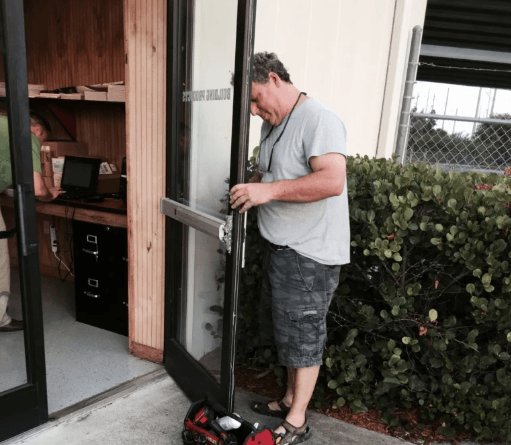
The key turns halfway and stops. You jiggle it, push harder, and nothing moves. The door stays shut, and so do you, standing in the hallway of a Dupont Circle row house built in the year 1908. Old DC buildings produce these moments more often than newer ones. Worn pins, swollen wood, and decades of paint layered around the strike plate add up. That is where a DC locksmith comes in with the right tools and a careful hand. The work looks small from the outside. It rarely is.
Why Old Buildings Jam More Often
Most homes in Capitol Hill, Logan Circle, and Georgetown still carry hardware from the early or mid-1900s. Brass cylinders wear down over time. Springs lose tension. Dust and lint settle into the keyway after years of use. Add humidity to that mix. DC summers swell wood door frames just enough to shift the alignment between the lock bolt and the strike plate. A lock that worked fine in March might bind in July. Many tenants blame the key when the real problem sits inside the door, which is the sort of call a DC locksmith handles almost daily through the warmer months.
The First Thing the Locksmith Checks
A jammed lock can mean two things. The key is broken or stuck. Or the cylinder itself has failed. The locksmith starts by looking at the keyway under a small light. A bent key tip or a piece snapped off inside changes the next move completely.
If the key looks fine, the locksmith tests the cylinder by hand. A working cylinder turns freely when the pins line up. A failing one grinds or skips. That sound tells the locksmith whether the fix takes ten minutes or an hour.
See also: Cybersecurity Challenges for Small Businesses
Clearing the Jam
For a stuck key, broken extractors do most of the work. These are thin metal hooks that slide into the keyway and grip the broken piece. A trained hand pulls it out without damaging the pins. Forcing it the wrong way scratches the cylinder and turns a small job into a full replacement.
When the Lock Cannot Be Saved
Some locks reach a point where repair costs more than replacement. Cylinders cracked from forced entry attempts fall into this group. So do mortise bodies that need parts no one manufactures anymore.
A good locksmith will tell you honestly when you have crossed that line. The fix comes with a recommendation for hardware that matches the door, especially in historic buildings where the original brass plate has to stay. Skipping that detail risks complaints from the building manager later.
Small Habits That Prevent the Next Jam
Wipe the key with a dry cloth once a month. Dirt from your pocket transfers into the cylinder every time you turn it. Avoid using oil on the lock itself, because it traps grit. Graphite powder works better and stays dry.
Watch how the key feels each morning. Small changes in resistance often signal a problem weeks before the lock actually fails. Catching it early means a quick service call. Waiting until the door shuts on a Sunday night means an emergency rate.
Old DC buildings carry charm and history. They also carry old hardware that needs an honest hand to keep working.