Selecting a drug testing format is a practical decision with legal, operational, and safety implications. Organizations that treat it as simply choosing the cheapest or most familiar option often end up with programs that have significant coverage gaps or that do not hold up when results are challenged. The range of multi-panel drug test cups available today allows organizations to match their testing configuration to their actual risk environment, and understanding the relevant variables makes that matching process more straightforward.
The most fundamental variable is panel count. Each panel in a drug test cup corresponds to a substance or class of substances. A 5-panel cup covers the traditional federally mandated substances: marijuana metabolites, cocaine, amphetamines, opiates, and phencyclidine. A 16-panel cup extends this to include benzodiazepines, barbiturates, methaqualone, methadone, oxycodone, buprenorphine, tramadol, fentanyl, ETG, and other substances that have become relevant in the current landscape.
The Significance of Panel Breadth
The practical value of broader panel coverage comes from matching the test to the substances that are actually present in the workforce and workplace environment. The opioid crisis introduced fentanyl and prescription opioid misuse as major sources of impairment in many industries. Standard opiate panels detect morphine-based opioids but do not reliably detect fentanyl, oxycodone, or other synthetic and semi-synthetic opioids without dedicated panels.
Benzodiazepine misuse, including the use of substances like alprazolam, diazepam, and clonazepam without a prescription or in excess of prescription doses, represents a significant source of impairment that goes undetected in configurations that omit this panel. Similarly, alcohol detected via ETG provides information about recent use that breathalyzer testing would not capture in standard employment contexts.
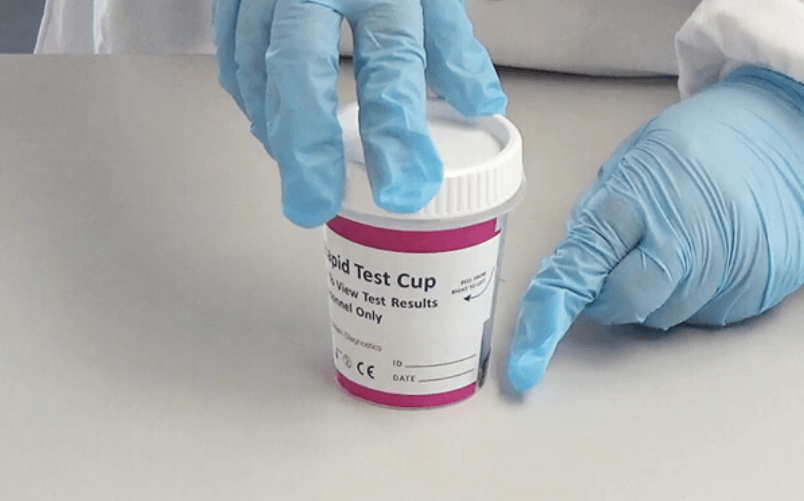
Drug Test Cups at the 16-panel level represent one of the most comprehensive configurations available in rapid format, providing organizations with a wide detection net in a single, operationally simple device.
Balancing Cost and Coverage
There is a cost difference between lower and higher-panel configurations, and not every position or context requires maximum panel breadth. A practical approach uses risk stratification: safety-sensitive positions with direct liability exposure justify higher-panel screening, while positions with lower risk profiles may be adequately served by a narrower panel. Random testing pools for safety-sensitive roles often default to higher-panel formats to ensure comprehensive coverage when tests are triggered.
Contract requirements in industries like federal transportation or government contracting may mandate specific panel configurations. Organizations in these sectors must meet the mandated minimum and may choose to supplement for non-regulated positions.
Operational Considerations
Beyond panel selection, the operational characteristics of the cup matter. Temperature strips for specimen validity checking, adulteration detection panels, tamper-evident seals, and clear result windows all contribute to the integrity of the collection process. Cups that combine validity checks with substance panels reduce the number of steps required to produce a defensible result.
Storage conditions affect test quality. Most cups should be stored below 30 degrees Celsius and away from humidity and direct light. Using cups past their expiration date is a program integrity risk that should be avoided through systematic inventory management.
See also: How to Choose the Right Health Insurance Plan in the Digital Age
FAQ
How many panels should a drug test cup have for a construction company? Construction is a safety-sensitive industry with significant liability exposure. Higher-panel configurations including fentanyl, opiates, methamphetamine, benzodiazepines, and ETG are commonly appropriate. Specific requirements vary by contract and jurisdiction.
Can drug test cups be used for return-to-duty testing? Yes. Rapid cups can be used for return-to-duty testing, though confirmatory laboratory testing is typically required before the employee resumes duties following a prior positive result.
What is the cutoff concentration for a positive result? Cutoff concentrations are set by the test manufacturer and should align with SAMHSA or other applicable guidelines depending on the regulatory context. These thresholds determine how much of a substance must be present for a positive reading.
How should administrators handle a dilute specimen? Most cups include creatinine and specific gravity checks that can identify dilute specimens. A dilute specimen may indicate the donor consumed excessive fluids before testing, and recollection is often required under workplace policy.
Are drug test cups reusable? No. Drug test cups are single-use devices. Attempting to reuse them would compromise the immunoassay chemistry and the chain of custody integrity.