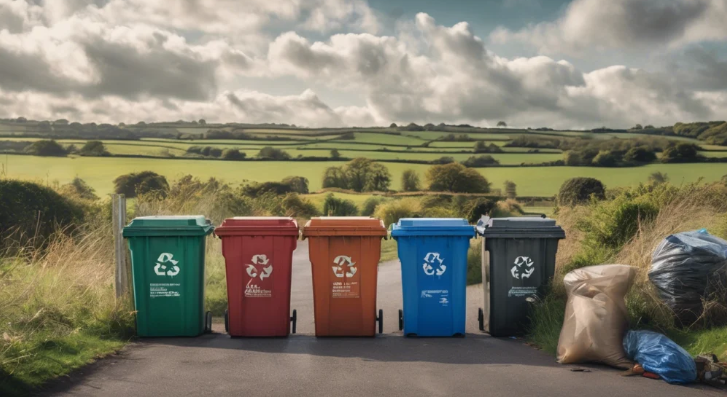
You can cut trash costs, recover valuable materials, and show measurable environmental responsibility by setting up a focused commercial recycling program for your business. A well-designed program reduces waste hauling expenses, generates salvage revenue, and improves compliance and sustainability metrics—often within months of starting.
This article walks you through the core principles of commercial recycling and the practical steps to implement a successful program at your facility, from material streams and collection systems to working with haulers and processors. Expect clear, actionable guidance so you can turn recycling from an afterthought into a reliable operational and financial benefit.
Commercial Recycling Fundamentals
Commercial recycling reduces disposal costs, improves compliance, and recovers materials for resale or reuse. You’ll learn what commercial recycling includes, how businesses set up collection and processing, and which materials deliver the most value and diversion.
What Is Commercial Recycling
Commercial recycle is a structured program your business uses to separate, collect, and divert waste streams from landfill or incineration. It applies to offices, retail, manufacturing, hospitality, education, and healthcare—any operation that generates consistent volumes of waste.
Programs are typically governed by local regulations and corporate sustainability goals, so you must align collection practices with municipal rules and reporting requirements.
You should define measurable targets—diversion rate, contamination percentage, and cost per ton—to track performance. Contracts with haulers or service providers often specify container types, pickup frequency, and commodity specifications to ensure materials remain marketable.
How Commercial Recycling Works
You set up source separation or single-stream collection depending on space, staff capacity, and contamination risk. Source separation (paper, plastics, glass, metal) lowers contamination but needs more bins and training. Single-stream simplifies employee sorting but raises sorting costs and contamination at the MRF (Materials Recovery Facility).
Operational steps you’ll follow:
- Audit waste to quantify volumes and identify high-value streams.
- Select containers, labels, and placement to maximize capture.
- Train staff, monitor bins, and use signage to reduce contamination. Haulers transport recyclables to a MRF or processor where materials are sorted mechanically and manually, baled, and sold to manufacturers. You should include contractual quality standards and regular audits to protect revenue and compliance.
Types of Commercial Recyclables
Focus on the main commodity groups that return value and are widely accepted: paper/cardboard, plastics, glass, and metals. Paper and cardboard often represent the largest volume from offices, retail, and distribution centers. Flattened corrugate and clean office paper command steady markets.
Plastics vary by resin type (PET, HDPE, etc.); label bottles and containers separately from film plastics to avoid contamination. Glass is heavy but recyclable when separated by color in some regions. Metals—aluminum and steel—provide high scrap value and are straightforward to collect.
Other streams to consider: food waste for organics collection, electronic waste under WEEE rules, and mixed construction debris requiring separate diversion plans. Prioritize streams that reduce disposal fees and meet local recycling infrastructure capabilities.
Implementing a Successful Commercial Recycling Program
You’ll create a clear policy, train staff, choose reliable partners, and follow local rules. Each step affects diversion rates, operating costs, and legal risk.
Developing a Recycling Policy
Draft a written policy that defines materials accepted, collection frequency, and responsibilities. Specify streams (e.g., mixed paper, cardboard, PET #1, HDPE #2, metals, glass, organics) and contamination limits by percentage to guide staff and vendors.
Include operational details: container locations and sizes, labeling standards, hauling schedule, and who tracks weights or volumes. Assign roles—program manager, floor champions, and vendor liaison—and set quarterly targets (diversion rate, contamination rate) for accountability.
Document handling for non-recyclables and hazardous items. State procurement preferences (recycled-content paper, reusable serviceware) to close the loop. Keep the policy accessible and review it annually or when operations change.
Training Employees for Recycling
Train all employees on what materials go into each bin and why contamination matters. Use short, role-specific sessions: front-of-house staff need quick container rules; custodial teams need detailed sorting and cleaning procedures.
Provide visual aids at point-of-deposit: color-coded bins, photos of acceptable/unacceptable items, and single-sentence instructions. Run a 30–60 day onboarding reinforcement schedule with quick quizzes or spot checks and publish monthly diversion metrics to keep engagement high.
Empower floor champions to address misuse in real time and gather feedback monthly. Offer incentives for meeting targets, such as recognition or small rewards, to sustain participation.
See also: Cybersecurity Challenges for Small Businesses
Selecting Recycling Partners
Choose vendors with proven collection reliability, transparent pricing, and documented end-markets for materials. Request references and ask for route consistency, contamination handling, and average recovery rates for similar clients.
Compare proposals on: per-pickup cost, container rental/placement fees, single-stream vs. multi-stream processing, and revenue-sharing for valuable commodities. Verify partners’ certifications (e.g., R2, ISO 14001) and request annual material recovery reports.
Include contract clauses for contamination remediation, missed pickups, and audits. Schedule an initial 90-day performance review with KPIs (tons diverted, contamination rate, on-time pickups) to confirm the vendor meets expectations.
Compliance with Local Regulations
Identify federal, state, and municipal recycling and waste rules that apply to your facility, including mandatory diversion laws and reporting deadlines. Contact your local solid waste authority to obtain permit requirements, banned materials lists, and available rebate or grant programs.
Ensure manifests, weight tickets, and contractual receipts meet reporting needs and maintain records for required retention periods. Train staff on handling regulated wastes (batteries, e-waste, fluorescent lamps) and use licensed hazardous waste vendors when needed.
Plan for audits: keep chain-of-custody documentation and be ready to demonstrate program controls and diversion data. Update compliance checks when you change suppliers, operations, or when local ordinances are revised.