A residential building inspector plays a crucial role in helping homeowners, buyers, and property investors understand the true condition of a home. Residential properties can appear well-presented on the surface while concealing underlying issues that may affect safety, comfort, or long-term durability. A professional residential building inspector provides an objective assessment, allowing informed decisions based on facts rather than assumptions.
This in-depth guide explains the role of a residential building inspector, what residential inspections involve, common issues found in homes, and why professional inspections are essential at every stage of property ownership.
What Is a Residential Building Inspector?
A residential building inspector is a qualified professional who specialises in assessing houses and other residential dwellings. Their role is to examine the visible and accessible parts of a home to identify defects, safety concerns, and signs of deterioration.
Residential building inspectors assess properties such as:
- Standalone houses
- Townhouses and duplexes
- Units and apartments
- Newly built and established homes
The inspector provides a written report detailing their findings, helping clients understand the condition of the property at the time of inspection.
Why a Residential Building Inspector Is Important
Residential buildings are complex structures made up of many components that work together. Over time, wear and tear, environmental factors, and construction quality can all impact a home’s condition.
Identifying Hidden Problems
Many residential issues are not obvious during a casual walkthrough. A residential building inspector is trained to recognise warning signs of structural movement, moisture issues, and building defects that may go unnoticed by an untrained eye.
Protecting Homeowners and Buyers
Whether purchasing a home or maintaining an existing one, an inspection helps identify risks early. This allows homeowners and buyers to take appropriate action before issues worsen.
Supporting Long-Term Property Care
Regular inspections provide insight into maintenance needs, helping homeowners plan repairs and preserve the value of their property.
What Does a Residential Building Inspection Include?
A residential building inspection involves a thorough visual assessment of all accessible areas of the home.
Structural Components
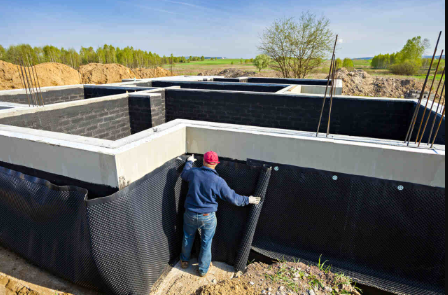
Inspectors examine foundations, walls, floors, and roof structures for cracks, movement, or signs of instability. Structural integrity is a primary focus in residential inspections.
Roof and External Areas
The roof covering, gutters, downpipes, and external walls are checked for damage, deterioration, and drainage issues that could lead to water ingress.
Internal Areas
Inside the home, inspectors assess ceilings, walls, doors, windows, and floors. They look for uneven surfaces, cracks, moisture staining, and workmanship issues.
Subfloor and Roof Void
Where access permits, subfloor spaces and roof cavities are inspected for ventilation, moisture, and structural concerns.
Safety Hazards
Any visible safety risks, such as unstable structures or loose materials, are noted to help protect occupants.
Common Issues Found in Residential Building Inspections
Residential building inspectors frequently identify issues such as:
- Cracks caused by building movement or soil conditions
- Moisture damage or water leaks
- Roofing wear or inadequate drainage
- Poor ventilation leading to damp or mould-prone conditions
- Defects from previous renovations or extensions
Understanding these issues helps homeowners and buyers make informed decisions.
When Should You Hire a Residential Building Inspector?
A residential building inspector can be engaged at various stages of property ownership.
Before Buying a Home
A pre-purchase inspection helps buyers understand the true condition of a property before committing.
During Home Ownership
Homeowners may arrange inspections to assess the condition of their property, particularly for older homes or before major renovations.
Before Selling a Property
Sellers may choose to identify and address issues early to improve transparency and buyer confidence.
After Renovations or Construction
Inspections can help ensure recent work has not introduced defects or safety concerns.
See also: Cybersecurity Challenges for Small Businesses
Understanding the Residential Inspection Report
The inspection report is a detailed document that outlines the inspector’s findings. A professional report typically includes:
- An overview of the property’s condition
- Descriptions of identified defects
- Photographs of key issues
- Clear explanations written in plain language
- Recommendations for further investigation where necessary
The report serves as a valuable reference for planning maintenance or seeking specialist advice.
What a Residential Building Inspection Does Not Cover
While residential building inspections are comprehensive, they do have limitations. Generally, inspections do not include:
- Invasive or destructive testing
- Assessment of concealed areas
- Detailed testing of electrical or plumbing systems
- Guarantees regarding future performance
If concerns fall outside the inspection scope, the inspector may recommend additional specialist assessments.
Choosing a Qualified Residential Building Inspector
Selecting the right residential building inspector is essential for a reliable assessment. Consider the following when choosing an inspector:
- Relevant qualifications and experience
- Familiarity with residential construction methods
- Clear and thorough reporting
- Independence and objectivity
A professional inspector focuses on providing unbiased information to support informed decisions.
Long-Term Benefits of Residential Building Inspections
Engaging a residential building inspector offers long-term advantages, including:
- Early detection of issues
- Better maintenance planning
- Improved safety for occupants
- Preservation of property value
Regular inspections encourage proactive property care rather than reactive repairs.
Final Thoughts
A residential building inspector plays a vital role in helping homeowners and buyers understand the true condition of a home. By identifying defects, safety concerns, and maintenance needs, inspections provide clarity and confidence in property decisions.
Whether buying, selling, or maintaining a home, engaging a professional residential building inspector is a responsible step that supports safer, more informed, and more successful property ownership.