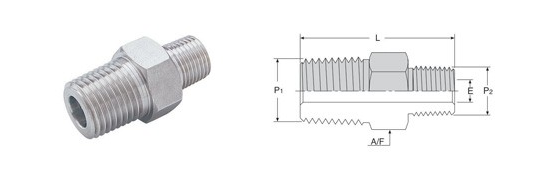
Two fittings can look identical on a shelf yet behave nothing alike under pressure. One holds firm for a decade. The other weeps at a seam within months. The gap rarely shows in a photograph or on a price list. It shows in the metallurgy, the machining and the testing that buyers seldom get to see.
Stainless steel carries a reputation for strength, but the grade and the process behind it decide real performance. Trusted stainless steel pipe fittings manufacturers in India control alloy quality, machining tolerances and finishing so each part performs exactly as specified. That discipline gives engineers fittings that seal reliably, resist corrosion and hold rated pressure long after cheaper alternatives have already started to fail in service.
Why Two Identical Fittings Can Behave Differently
Grade Is Only Half The Story: A label reading 316 stainless tells you the family, not the quality of the pour. Inclusions, poor heat treatment and loose tolerances all hide behind the same marking. Two parts stamped alike can differ in hardness, finish and dimensional accuracy, and those differences surface exactly when your line is under heavy load.
Where Material Traceability Earns Its Keep: Reputable makers track each batch from raw bar to finished fitting. Strong material traceability means a certificate ties the metal in your hand to a verified composition and mill source. When a question arises years later, that record protects you, proving the part met spec rather than leaving you to guess.
How Precision On The Line Protects The Whole System
Tolerances You Cannot See But Will Feel: Thread pitch, ferrule geometry and surface finish decide whether a joint seals on the first turn or leaks under vibration. Tight machining holds these within microns, so the fitting mates correctly with valves and tubing. Loose tolerances force engineers to overtighten, which damages threads and shortens the life of the connection.
Why Heat Treatment Decides Strength: Beyond the alloy itself, controlled heat treatment sets the grain structure that gives a fitting its strength and corrosion resistance. Rushed or skipped, the metal stays soft and uneven, prone to cracking under load. Two parts of the same grade can differ sharply once you account for how each was actually treated.
Finish Quality Tells The Truth: Run a finger along a seal face and the difference becomes obvious. A smooth, even finish seats cleanly and resists trapping contaminants. A rough surface invites leaks and harbours residue that compromises high-purity lines. The care taken during finishing often signals how the whole part was actually made.
The Quiet Risks Buried In Cheap Hardware
Failures That Start Small: A commodity fitting rarely fails dramatically at first. It seeps, then weeps, then loses pressure across a shift. By the time someone notices, product is contaminated or a reading has drifted. The part that saved a little at purchase becomes the reason a batch is scrapped and a schedule slips.
What Poor Fittings Cost You: Before specifying on price alone, weigh what a single failure can drag in with it. The risks stack up fast across an industrial system, and most never appear on the original quotation. A few of the most common dangers are worth keeping in front of you.
- Leaks at joints that contaminate process fluids or release hazardous media.
- Premature corrosion from untreated surfaces, leading to pitting and early failure.
- Pressure loss that skews instrument readings and quietly undermines control accuracy.
- Thread damage from poor tolerances, forcing repeat shutdowns for replacement.
- Hidden downtime costs that dwarf any saving made at the point of purchase.
See also: 5 Essential Insights for Navigating Modern Business Trends
What Sets A Real Manufacturing Partner Apart
Look Past The Catalogue: A genuine partner shows you more than a product range. Ask how they test, how they document and how they handle a non-conforming part. Makers holding ISO 9001:2015 certification run documented processes that keep every batch within the same limits, so consistency is built in rather than merely hoped for.
Testing You Can Verify: The best suppliers prove their claims instead of asserting them. Hydrostatic checks and leak detection confirm a fitting holds under high pressure and deep vacuum, often near 400 bar (5,800 psi). When a manufacturer shares results against recognised standards, you receive components ready for duty, not parts you must validate yourself.
Support That Continues After Delivery: A reliable partner stays reachable once the order ships. Technical guidance on grade selection, thread compatibility and pressure limits saves costly mistakes during installation. When a supplier treats you as a long-term account rather than a one-off sale, you gain an engineering resource, not merely a vendor with a price list.
Building Systems That Last
The difference between industrial-grade fittings and commodity hardware is rarely visible until something goes wrong. Precision, traceability and honest testing separate parts that protect your process from those that quietly threaten it. Choosing a disciplined manufacturing partner safeguards uptime, safety and reputation together. Speak with an experienced engineering team today and specify fittings built to perform for the long haul.