You may have noticed that your mouth does not feel the way it did years ago. Maybe cold drinks sting more than they used to, your gums bleed when you brush, or a tooth that seemed fine last month now feels loose or sore. That can be unsettling, especially when eating, speaking, and smiling depend on teeth that feel steady and pain free. Kamloops family dentistry can help you address these changes and protect your oral health.
Aging does not mean losing your teeth. It does mean your mouth needs more attention, and that is where How General Dentistry Supports Seniors In Maintaining Strong Teeth becomes clear. Regular dental care helps catch decay early, manage gum disease, protect exposed roots, adjust old fillings or dentures, and keep small problems from turning into expensive, painful ones.
General dental care helps seniors stay ahead of common oral health problems
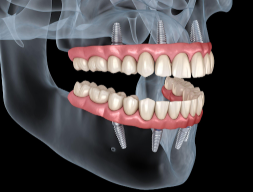
Older adults often deal with a mix of issues at the same time. Dry mouth is common, especially if you take medications for blood pressure, allergies, depression, or pain. Less saliva means less natural protection against cavities. Tooth roots can become exposed as gums recede, and those roots decay faster than enamel. Arthritis can make brushing and flossing harder. If you wear dentures or bridges, poor fit can irritate the gums and affect nutrition because chewing becomes a chore.
That is why senior dental care matters so much. A general dentist looks at the full picture, not just one sore tooth. Early signs of gum disease, decay around old fillings, changes in bite, mouth sores, and signs of oral cancer can all show up during a routine visit. Problems that feel minor at first often grow quietly. A rough edge on a filling can trap food. A dry mouth can lead to multiple cavities in a short time. One loose tooth can shift the way you chew and strain the rest.
The National Institute on Aging offers practical guidance on taking care of your teeth and mouth as you age, including the effect of medicines, gum disease, and denture care. That advice lines up with what general dentists see every day. The earlier care starts, the easier it is to protect what you still have.
See also: 5 Ways Outdoor Spaces Can Enhance Your Quality of Life
Routine dental visits reduce pain, cost, and avoidable tooth loss
Many seniors put off the dentist because nothing hurts yet, or because cost feels hard to justify. That delay often leads to more treatment later. A small cavity is usually simple to fix. A deep cavity that reaches the nerve may need a root canal or extraction. Mild gum inflammation may improve with a cleaning and better home care. Advanced gum disease can lead to loose teeth, infection, and bone loss.
You might be doing your best at home and still running into trouble. That is not failure. It is often the result of changes that come with age. The National Institute of Dental and Craniofacial Research explains in its guide to older adults and oral health that gum disease, root decay, and oral cancer risk all deserve close attention later in life.
General dentistry for seniors also supports daily life in ways people do not always connect to oral health. If chewing hurts, many people stop eating foods that are high in fiber or protein because they are harder to manage. If dentures slip, social meals become stressful. If bad breath or visible decay develops, confidence can drop fast. Good dental care protects more than teeth. It helps preserve comfort, nutrition, speech, and dignity.
Home care and professional care work better together
Brushing and flossing at home are still the foundation, but they are not always enough on their own. Plaque hardens into tartar, and tartar needs professional removal. A dentist can also spot patterns you may miss, like grinding, clenching, or decay near the gumline. The Centers for Disease Control and Prevention shares oral health tips for adults that reinforce the basics, including brushing with fluoride toothpaste, cleaning between teeth, and avoiding tobacco.
When those daily habits are paired with regular checkups, the benefits add up. Teeth stay cleaner. Gums stay calmer. Existing dental work lasts longer. New problems are smaller when found. That is the practical value of seeing a general dentist before there is an emergency.
Daily care and professional dentistry serve different needs
| Need | Home Care | General Dentist |
| Plaque control | Brushing twice a day and cleaning between teeth reduce daily buildup | Professional cleanings remove tartar you cannot remove at home |
| Cavity prevention | Fluoride toothpaste and less sugar lower risk | Exams and X rays catch early decay before pain starts |
| Gum health | Consistent cleaning helps control inflammation | Deep cleaning and monitoring help manage gum disease |
| Dry mouth | Water, sugar free gum, and avoiding irritants may help symptoms | Medication review and treatment planning help prevent root decay |
| Dentures or dental work | Daily cleaning helps prevent odor and irritation | Fit adjustments and repairs improve comfort and chewing |
| Oral cancer screening | Most changes are easy to miss at home | Routine exams can identify suspicious sores or tissue changes early |
Simple steps can protect strong teeth as you age
Schedule care before pain forces the issue. If it has been a while since your last visit, make the appointment now instead of waiting for a crisis. Preventive care is usually easier, less invasive, and less costly than emergency treatment.
Track the dry mouth problem honestly. If your mouth feels sticky, you wake up thirsty, or food seems harder to swallow, mention it. Bring a list of medications to your appointment. Dry mouth is one of the fastest ways small dental problems turn into bigger ones.
Adjust your home routine to match your hands and teeth. If floss is hard to manage, try floss picks, interdental brushes, or a water flosser. If brushing hurts your grip, use an electric toothbrush. The best routine is the one you can actually keep doing every day.
Strong teeth in later life are still within reach
Your mouth may need more support now, but that does not mean decline is inevitable. With steady home care and regular visits to a general dentist, many seniors keep their natural teeth longer, avoid pain, and stay comfortable with the foods and routines they enjoy. If you have been putting dental care off, this is a good time to act. Reach out to a trusted General Dentist and get ahead of the problems that are easier to treat now than later.