You are not imagining it. One dental visit can feel easy for one person in the house and impossible for another. Your toddler may cry the second the chair leans back. Your teen may insist they brush fine, then flinch when flossing comes up. You may be juggling your own sensitivity, old dental work, and a schedule that leaves little room for another appointment. A family dentist in Southeast Portland sees all of that at once.
The core issue is simple. Teeth, gums, habits, and fears change with age, so the care has to change too. A good family dentist does not use one script for everyone. They adjust how they talk, what they look for, and how they treat each patient so toddlers build trust, teens stay on track, and adults protect long term oral health.
Family dental care changes because each age group has different needs
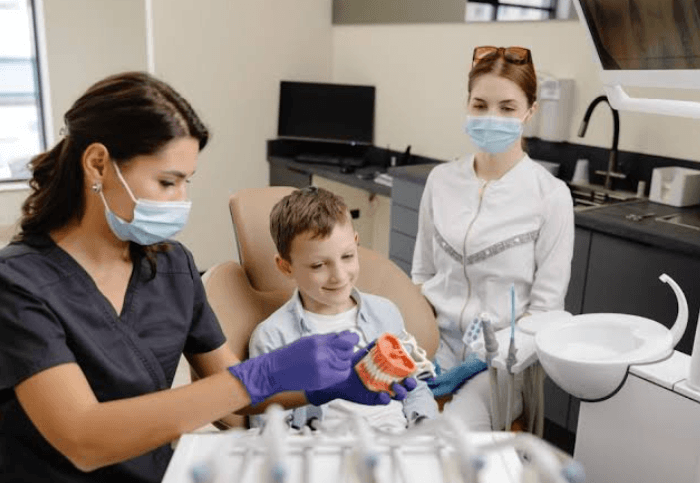
Toddlers usually arrive with short attention spans and big feelings. A strange room, bright lights, and new sounds can turn a basic cleaning into a full body protest. If that first experience feels rushed or scary, the next visit often starts harder. Family dentists adapt by using simple words, short appointments, gentle pacing, and a lot of show and tell. They may count teeth out loud, let a child touch the toothbrush first, or begin with a lap exam so the child feels close to a parent.
That approach is not just about comfort. Early prevention matters. The CDC reports that tooth decay remains one of the most common chronic conditions in children, which makes regular visits and home habits worth protecting from the start. You can review current oral health findings from the CDC to see how common these issues are across age groups.
Teens bring a different challenge. They usually understand what the dentist is saying, but that does not mean they are invested. Sports drinks, late night snacking, braces, vaping, skipped brushing, and a packed school schedule can all show up in their mouth. A dentist for all ages often shifts into coaching mode here. The tone becomes more direct and respectful. Teens respond better when they hear how habits affect breath, appearance, pain, and the cost of future treatment, not just a lecture about cavities.
Adults often walk in with accumulated wear. Fillings from years ago may be breaking down. Gums may bleed. Sensitivity may start after whitening, grinding, or gum recession. Some adults also carry dental anxiety from a bad experience they still remember in detail. Family dentists adapt by focusing on clear explanations, practical treatment plans, and comfort options that respect time and budget. They also screen for gum disease, oral cancer, and the effects of stress, medications, and dry mouth.
Family dentists adjust communication, prevention, and treatment in different ways
The differences are not cosmetic. They shape every part of the visit. With toddlers, the goal is trust first, treatment second when possible. With teens, the goal is ownership. With adults, the goal is maintenance and early repair before small issues become expensive ones.
Home care advice changes too. A parent helping a three year old brush needs different guidance than a teen with braces or an adult managing bleeding gums. The National Institute of Dental and Craniofacial Research offers clear oral hygiene guidance that supports these age specific routines.
Even the way problems are framed changes by age. For a toddler, a dentist may talk about sugar bugs and practice opening wide. For a teen, the conversation may focus on plaque around brackets, wisdom teeth, or mouthguards for sports. For adults, the focus may turn to restorations, gum pockets, and daily habits that protect the teeth they have for life. That is what makes age specific dental care different from a one size approach.
Practical differences in care show up during real appointments
| Age Group | Common Concerns | How Family Dentists Adapt | Home Care Focus |
|---|---|---|---|
| Toddlers | Fear, early decay, thumb sucking, limited cooperation | Short visits, simple language, parent involvement, tell show do techniques | Brushing with help, fluoride guidance, limiting sugary drinks |
| Teens | Braces, diet choices, inconsistent brushing, sports injuries | Respectful coaching, prevention around orthodontics, habit based advice | Flossing, cleaning around brackets, mouthguards, reducing acidic drinks |
| Adults | Gum disease, worn fillings, grinding, sensitivity, dry mouth | Detailed exams, treatment planning, comfort support, repair and maintenance | Daily plaque control, gum care, regular exams, managing risk factors |
You can see the pattern. The same office may treat all three groups, but the techniques are tailored. That helps prevent the common family problem where one member avoids care, another gets rushed, and small issues quietly grow.
Adults also benefit from prevention advice that fits real life. The CDC shares practical oral health tips for adults that reinforce what many family dentists recommend in the chair.
Small steps make family dental visits easier and more effective
1. Match expectations to age. Do not expect a toddler to sit like an adult or a teen to care about flossing for the same reason you do. Tell your child what will happen in plain words. Give teens direct reminders without turning every appointment into a fight. Ask your own dentist to explain adult treatment options in clear terms if cost or anxiety is a concern.
2. Share patterns the dentist cannot see at a glance. Mention thumb sucking, nighttime grinding, mouth breathing, snack habits, bleeding gums, jaw pain, and sensory issues. These details change how a family dental care plan is built. What looks like simple sensitivity may be clenching. What looks like poor brushing in a child may be a coordination issue.
3. Build one routine for the whole house, then adjust it. Keep brushing times consistent, use age appropriate toothpaste amounts, and make flossing visible rather than optional. The routine can stay shared even when the tools change. A toddler needs hands on help. A teen may need floss threaders or orthodontic tools. An adult may need a night guard or dry mouth support.
The right family dentist makes each stage feel manageable
You do not need every family member to have the same needs for dental care to work well. You need a dentist who understands that a toddler needs patience, a teen needs honesty, and an adult needs a plan that fits real life. When techniques change with the patient, visits get smoother, problems get caught earlier, and home care becomes easier to keep up with.
If your household has outgrown a one size approach, schedule a visit with a family dentist and ask how care is adapted for each age in your home.