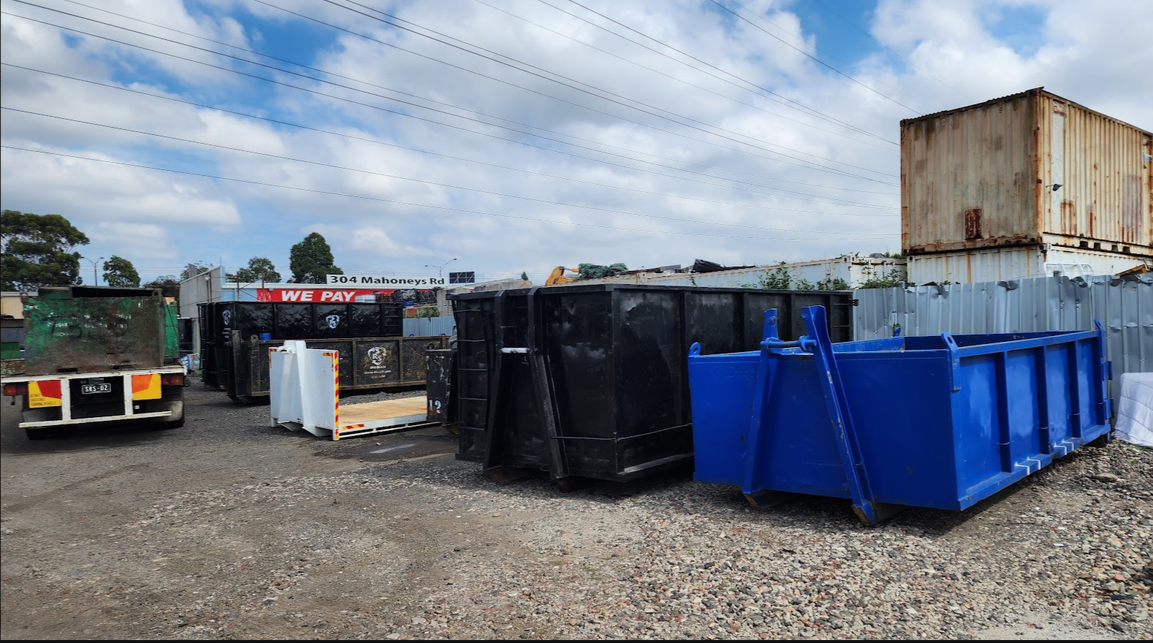
Ask most site supervisors how many scrap metal bins they need, and they answer fast. One big one. It sounds sensible, because a single container means one delivery, one pickup and one spot on the yard to keep clear. The problem shows up later, at the weighbridge, when a load of mixed material gets graded against its cheapest component. Bigger is not the same as better, and the setup that looks tidy on paper often returns less money than a smaller, split arrangement.
Three medium scrap metal bins can outperform one oversized unit for reasons that have little to do with capacity. Grading, walking distance, weather exposure and lifting risk all shift when the container count changes. Some of this is obvious once you see it. Some of it takes a full quarter of weighbridge dockets before the pattern becomes clear.
One Container Means One Grade
Metal gets priced by type and cleanliness. Copper, brass, aluminium and stainless all sit above mild steel, and the gap can be wide depending on the market that week. Drop them all into the same container, and the recycler handles the sorting and pricing.
Three containers let a site hold three grades. Steel in one. Non-ferrous in another. A third for whatever the operation produces in quantity, whether that is aluminium extrusion offcuts or cable.
Australia recovered around 90 per cent of its metal waste in 2022 to 2023, the highest rate of any material category. Loads that arrive already separated move through that system with less handling.
See also: 5 Ways Outdoor Spaces Can Enhance Your Quality of Life
Distance Decides Whether People Sort
Here is the part nobody plans for. A worker standing at a bench with a handful of copper tails will walk maybe ten or fifteen metres to put them in the right place. Past that, the nearest container wins.
One large bin sits in one location. Three smaller ones can sit closer to where the metal is made. That is the whole trick, and it is far less about discipline than about layout.
Safe Work Australia’s guidance on hazardous manual tasks points to work area design as the control that actually works, including layout changes that cut down on carrying and awkward postures. Training people to try harder does not fix a bad walk.
Metal Builds at Different Speeds
A fabrication shop might fill a steel container in three weeks and take four months to fill a copper one. A single bin forces both streams onto the same clock. So either the steel sits there taking up space, or the copper gets collected half empty.
Smaller containers let each stream move on its own schedule:
- Heavy ferrous material collected when the weight justifies the trip
- Non-ferrous held longer, under cover, until the volume is worth moving.
- Light bulky material kept in cages or bulk bags rather than a bin it cannot fill
Bins, cages and bulk bags exist in different sizes for this exact reason. SRS Metals supplies all three, with custom options for sites with unusual requirements.
Weight, Height and Access Around the Bin
Large containers have high sides. Lifting a length of angle iron over a tall wall is harder than dropping it into a lower one, and repeated lifts at shoulder height cause the kind of strain that ends up in an incident report.
Smaller containers usually sit lower. Workers load them without reaching over their heads. That change alone tends to reduce the informal habit of stacking scrap on the ground beside the bin because it is too awkward to lift in.
Access matters too. One large bin needs a clear truck path at all times. Several smaller units can be positioned where a truck reaches them on a planned day, rather than blocking a main route permanently.
Weather Turns Good Metal Into Average Metal
Copper left in the rain oxidises. Aluminium collects grit. Steel picks up rust that adds no weight and takes off the grade.
A single open container leaves everything exposed to the same weather. Splitting the load means the higher-value metals can go into a covered cage or a bag stored under shelter, while the steel sits outside where the rain does less damage.
Think about it this way. The material most worth protecting is usually the smallest part of the pile by volume. Protecting it costs almost nothing once it has its own container.
Wrapping Up
Next steps involve matching container types to those streams and setting a realistic collection point for each. Collection services run for large commercial and construction sites where the volume justifies the trip, and smaller quantities are brought in to the yard instead.
For bin, cage and bulk bag options, or to discuss a collection arrangement for a commercial or construction site, contact SRS Metals at enquiries@srsmetals.com.au.