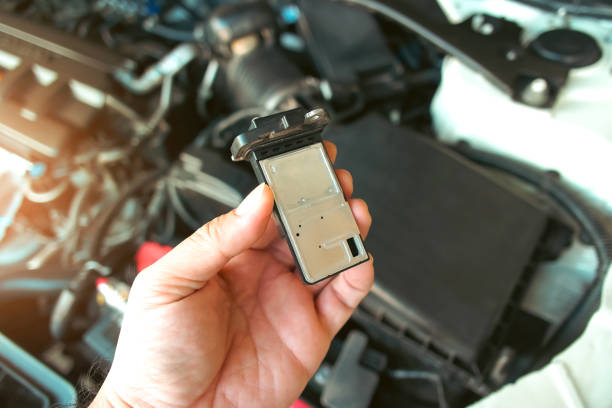
Modern vehicles rely heavily on the heating, ventilation, and air conditioning (HVAC) system to provide comfort for drivers and passengers. At the heart of the system’s airflow control lies a small but critical component known as the blower motor fan resistor. While often overlooked, this resistor plays a key role in regulating the speed of the blower motor fan, ensuring consistent airflow for heating and cooling. Understanding its function, common issues, and maintenance can help vehicle owners maintain optimal HVAC performance and avoid costly repairs.
What Is a Blower Motor Fan Resistor?
A blower motor fan resistor is an electrical component that controls the speed of the blower motor fan in a vehicle’s HVAC system. It acts as a variable resistor, reducing or controlling the electrical current that reaches the blower motor. By doing so, it allows the blower fan to operate at multiple speeds—low, medium, or high—depending on the driver’s or passenger’s setting.
Without a functioning blower motor resistor, the fan may operate at a single speed (often full speed) or stop working entirely, severely limiting airflow and comfort.
Key Functions:
- Regulate Fan Speed: Controls how much electrical current reaches the blower motor, enabling multiple fan speed settings.
- Protect Electrical Components: By limiting current, the resistor prevents the blower motor from overheating.
- Maintain HVAC Comfort: Ensures the HVAC system delivers airflow at the desired intensity for heating, cooling, or defogging.
See also: Cybersecurity Challenges for Small Businesses
How a Blower Motor Fan Resistor Works
The blower motor fan resistor is usually located near the blower motor, often in the HVAC housing under the dashboard or behind the glove compartment. It is connected in series with the blower motor and the fan speed switch.
When you select a fan speed:
- Low Speed: Current passes through more resistance, reducing voltage to the blower motor and creating gentle airflow.
- Medium Speed: Current passes through less resistance, allowing more voltage to reach the motor for moderate airflow.
- High Speed: The resistor is bypassed or minimal resistance is applied, allowing full voltage to the motor for maximum airflow.
In essence, the resistor acts as a voltage regulator for the blower motor. Some modern vehicles use electronic fan control modules instead of traditional resistors, but the basic principle—regulating current to control fan speed—remains the same.
Signs of a Failing Blower Motor Fan Resistor
Blower motor fan resistors can fail due to heat, corrosion, or electrical wear. Recognizing the warning signs early can prevent further HVAC issues:
- Blower Fan Stuck on One Speed: Often, the fan will work only on the highest speed if the resistor fails.
- No Airflow from Vents: A completely failed resistor can prevent the blower motor from receiving power, resulting in no airflow.
- Intermittent Fan Operation: The fan may work sporadically or only when the vehicle is in motion or after multiple attempts.
- Burnt Smell: A resistor that overheats may emit a burning odor, indicating electrical issues.
- HVAC Controls Unresponsive: Selecting different fan speeds may have no effect on airflow, pointing to a resistor or wiring problem.
Common Causes of Blower Motor Fan Resistor Failure
Blower motor resistors are generally robust, but certain factors can lead to premature failure:
- Overheating: Continuous use of low or medium fan speeds generates heat, which can damage the resistor over time.
- Electrical Overload: Short circuits, corroded connections, or a failing blower motor can create excessive current that burns out the resistor.
- Moisture Intrusion: Exposure to water or humidity can corrode the resistor terminals or wires.
- Age and Wear: Like any electronic component, resistors degrade with age and repeated heating and cooling cycles.
Diagnosing a Faulty Blower Motor Fan Resistor
Proper diagnosis is essential before replacing a blower motor resistor. Here’s how automotive technicians identify issues:
- Visual Inspection: Look for burnt wires, melted plastic, or corrosion around the resistor and connector.
- Check Blower Motor Operation: Test the fan at all speed settings. Failure at low or medium speeds often indicates a resistor issue.
- Measure Voltage: Use a multimeter to check voltage at the blower motor and resistor. Irregular readings suggest a faulty resistor.
- Check HVAC Controls: If the fan responds inconsistently or only at certain speeds, the resistor or wiring harness may be the culprit.
In modern vehicles with electronic fan controllers, diagnostics may require specialized scan tools to read HVAC module codes.
Maintaining Your Blower Motor Fan Resistor
Routine maintenance can prolong the life of the blower motor fan resistor and prevent unexpected HVAC failures:
- Keep the HVAC System Clean: Dust and debris can block airflow around the resistor, causing overheating.
- Inspect for Moisture: Ensure there are no leaks from the heater core or windshield that could contact the resistor.
- Check Electrical Connections: Loose, corroded, or frayed wires can create electrical resistance, leading to burnout.
- Avoid Prolonged Use at Low Speeds: Excessive low-speed operation generates heat in the resistor, so alternating fan speeds can help dissipate heat.
- Professional Servicing: Schedule periodic HVAC system inspections, especially if your vehicle frequently experiences heavy use or extreme weather conditions.
Replacing a Blower Motor Fan Resistor
Replacing a blower motor fan resistor is generally straightforward but requires care:
- Locate the Resistor: Typically behind the glove compartment or near the blower motor housing.
- Disconnect the Battery: Prevents electrical shocks and accidental short circuits.
- Remove the Resistor: Disconnect the wiring harness and remove mounting screws or clips.
- Install the New Resistor: Secure the new resistor and reconnect the wiring.
- Test the Fan: Turn on the vehicle and cycle through all fan speeds to ensure proper operation.
Using a high-quality replacement resistor compatible with your vehicle’s make and model ensures longevity and reliable performance.
Upgrading to Electronic Fan Controls
Many modern vehicles are replacing traditional resistors with electronic fan speed controllers, which offer advantages like:
- Improved Efficiency: Electronic modules manage current more precisely, reducing heat and energy loss.
- Variable Speeds: Unlike resistors, electronic controllers can offer more precise fan speed control.
- Durability: Less prone to heat-related failures and corrosion.
- Integration with Climate Control: Allows seamless integration with automatic HVAC systems and climate sensors.
While traditional resistors remain common in older vehicles, electronic modules are increasingly standard in new cars.
Conclusion
The blower motor fan resistor is a small yet vital component in your vehicle’s HVAC system. It regulates fan speed, ensures consistent airflow, and protects the blower motor from electrical overload. Recognizing the signs of a failing resistor, performing routine maintenance, and addressing issues promptly can prevent uncomfortable cabin conditions and expensive repairs.
Whether you drive an older vehicle with a traditional resistor or a modern car with electronic fan controls, understanding the role and maintenance of this component is essential for a reliable and efficient HVAC system. With proper care, your blower motor fan resistor will continue to provide the airflow needed to keep your car comfortable in all weather conditions.