Electricity powers modern life, from residential buildings and commercial facilities to industrial plants and critical infrastructure. Behind the seamless flow of electrical energy lies a complex system designed to distribute power safely and efficiently. At the heart of this system is the electric main switch board. Often overlooked, the main switch board plays a foundational role in ensuring electrical reliability, safety, and scalability.
Understanding why electric main switch boards are considered the backbone of electrical infrastructure highlights their importance in system design, operation, and long term performance.
Understanding the Role of an Electric Main Switch Board
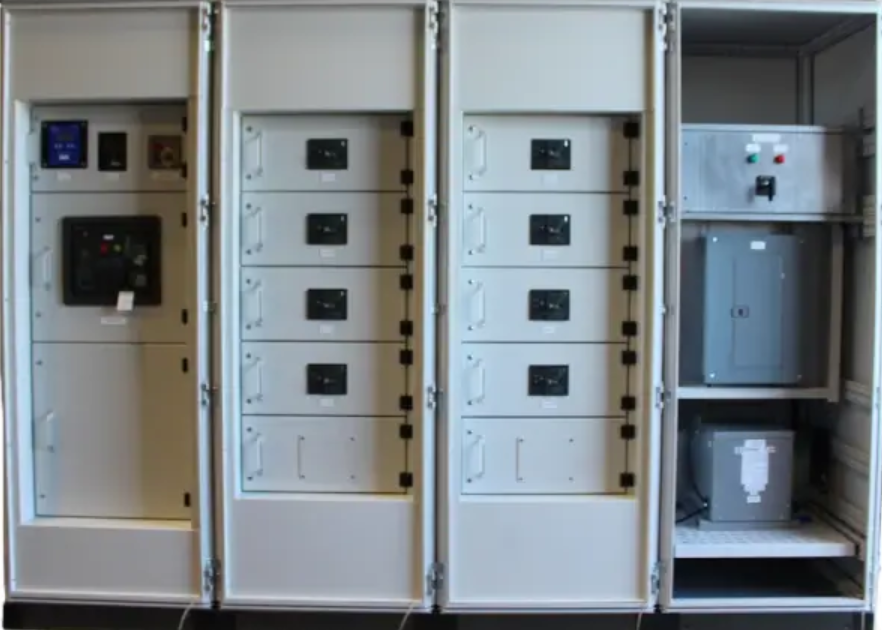
An electric main switch board is the primary point where electrical power enters a building or facility. It receives electricity from the utility supply or on site generation sources and distributes it to downstream circuits and sub boards.
Key functions include
• Receiving incoming electrical power
• Distributing power to multiple circuits
• Protecting equipment from faults
• Isolating electrical supply during emergencies or maintenance
Without a properly designed main switch board, even the most advanced electrical systems cannot operate safely or efficiently.
Central Hub of Power Distribution
The main switch board acts as the central hub for all electrical distribution within a facility. Every circuit ultimately traces back to this single point.
Its central position allows it to
• Control how electricity flows throughout the building
• Balance loads across different areas
• Coordinate power distribution for various applications
• Provide a clear structure for electrical planning
This centralized control simplifies system management and ensures consistent power delivery.
Foundation of Electrical Safety
Electrical safety begins at the main switch board. It houses protective devices that prevent electrical hazards from spreading throughout the system.
Safety features typically include
• Circuit breakers to prevent overloads
• Short circuit protection devices
• Earth leakage protection mechanisms
• Main isolators for emergency shutdown
By detecting faults early and disconnecting affected circuits, the main switch board protects people, property, and equipment.
Preventing Electrical Overloads and Short Circuits
Electrical faults can occur at any time due to equipment failure, wiring issues, or excessive demand. The main switch board is designed to manage these risks effectively.
It helps prevent damage by
• Interrupting excessive current flow
• Limiting fault energy
• Isolating faulty circuits without affecting the entire system
• Maintaining stable operation during peak demand
This protective role is essential in preventing fires, equipment damage, and system wide failures.
Supporting System Reliability and Continuity
Reliable power is essential for daily operations in homes, businesses, and industries. The main switch board ensures continuity by organizing and controlling electrical distribution.
Reliability benefits include
• Reduced risk of total power outages
• Faster fault isolation and recovery
• Stable voltage distribution
• Improved performance of connected equipment
A well designed switch board minimizes disruptions and supports uninterrupted operations.
Enabling Efficient Load Management
Modern electrical systems must handle varying loads throughout the day. The main switch board plays a critical role in managing these fluctuations.
Effective load management allows
• Balanced power distribution across circuits
• Reduced stress on individual components
• Prevention of overheating
• Improved energy efficiency
Proper load management also supports future expansion without compromising system performance.
Integration with Sub Switch Boards and Distribution Panels
The electric main switch board does not operate in isolation. It works in coordination with sub switch boards and distribution panels to form a complete electrical network.
This hierarchical structure provides
• Clear separation of circuits
• Easier troubleshooting and maintenance
• Improved safety through localized isolation
• Organized power distribution across large facilities
The main switch board serves as the anchor point that connects all levels of the electrical system.
Supporting Diverse Applications and Sectors
Electric main switch boards are essential across a wide range of applications. Their design and capacity may vary, but their importance remains constant.
Common sectors include
• Residential buildings and housing complexes
• Commercial offices and retail spaces
• Industrial manufacturing plants
• Healthcare facilities and hospitals
• Data centers and critical infrastructure
Each application relies on the main switch board to ensure safe and reliable power distribution.
Adapting to Growing Electrical Demands
Electrical demand continues to grow as buildings incorporate more technology and equipment. The main switch board must be capable of adapting to these changes.
Adaptability is achieved through
• Modular design for future expansion
• Spare capacity for additional circuits
• Compatibility with modern protective devices
• Flexible configuration options
A scalable main switch board supports long term infrastructure planning.
Enabling Maintenance and System Control
Effective maintenance is essential for electrical system longevity. The main switch board from Meta Power Solutions provides centralized control that simplifies maintenance activities.
Maintenance advantages include
• Clear identification of circuits
• Safe isolation during repairs
• Reduced downtime during servicing
• Improved inspection access
Centralized control ensures maintenance tasks can be performed safely and efficiently.
See also: Prevent Costly Damage: Roof Gutter Repair Services in Newcastle
Compliance with Electrical Standards and Regulations
Electrical infrastructure must comply with national and international safety standards. The main switch board is a key focus of regulatory requirements.
Compliance areas include
• Proper fault protection
• Adequate clearances and enclosures
• Correct earthing and grounding
• Accurate labeling and documentation
A compliant main switch board reduces legal risks and ensures consistent safety performance.
Enhancing Energy Monitoring and Control
Modern main switch boards often support energy monitoring and power quality management. This capability enhances operational insight and efficiency.
Benefits include
• Monitoring energy consumption patterns
• Identifying inefficiencies and losses
• Supporting demand management strategies
• Improving overall energy performance
Energy visibility at the main switch board level enables informed decision making.
Supporting Renewable Energy and Backup Systems
As renewable energy sources and backup systems become more common, the role of the main switch board continues to expand.
It facilitates integration of
• Solar power systems
• Backup generators
• Energy storage solutions
• Automatic transfer systems
The main switch board ensures smooth coordination between multiple power sources while maintaining safety and reliability.
Protecting Critical Equipment and Sensitive Loads
Sensitive equipment such as servers, medical devices, and industrial controls require stable and protected power supply.
The main switch board helps protect these loads by
• Regulating power distribution
• Preventing voltage disturbances
• Isolating faults quickly
• Supporting selective coordination
This protection is vital for maintaining performance and preventing costly damage.
Long Term Cost Efficiency and Risk Reduction
While often viewed as a background component, the main switch board significantly influences long term costs and risk management.
Cost related benefits include
• Reduced repair and replacement expenses
• Lower risk of electrical fires
• Improved equipment lifespan
• Minimized operational disruptions
Investing in a reliable main switch board supports sustainable infrastructure management.
Evolution of Electric Main Switch Boards
Electric main switch boards have evolved alongside advancements in electrical engineering. Modern designs emphasize safety, efficiency, and adaptability.
Key advancements include
• Compact and modular configurations
• Enhanced protection devices
• Improved thermal management
• Integration with digital monitoring systems
These improvements strengthen the role of main switch boards as the backbone of modern electrical infrastructure.
Importance in Infrastructure Planning and Design
Electrical infrastructure planning begins with the main switch board. Its design influences every downstream element.
Planning considerations include
• Load calculations and diversity factors
• Future expansion requirements
• Environmental conditions
• Maintenance accessibility
A strong foundation at the main switch board level ensures a resilient and efficient electrical system.
Conclusion
Electric main switch boards are rightly considered the backbone of electrical infrastructure. They serve as the central hub for power distribution, safety protection, load management, and system control. From preventing electrical faults to supporting modern energy systems, their role extends far beyond simple power switching.
A well designed and maintained electric main switch board ensures reliability, safety, and scalability across residential, commercial, and industrial environments. As electrical demands continue to grow and systems become more complex, the importance of the main switch board remains fundamental to stable and efficient electrical infrastructure.