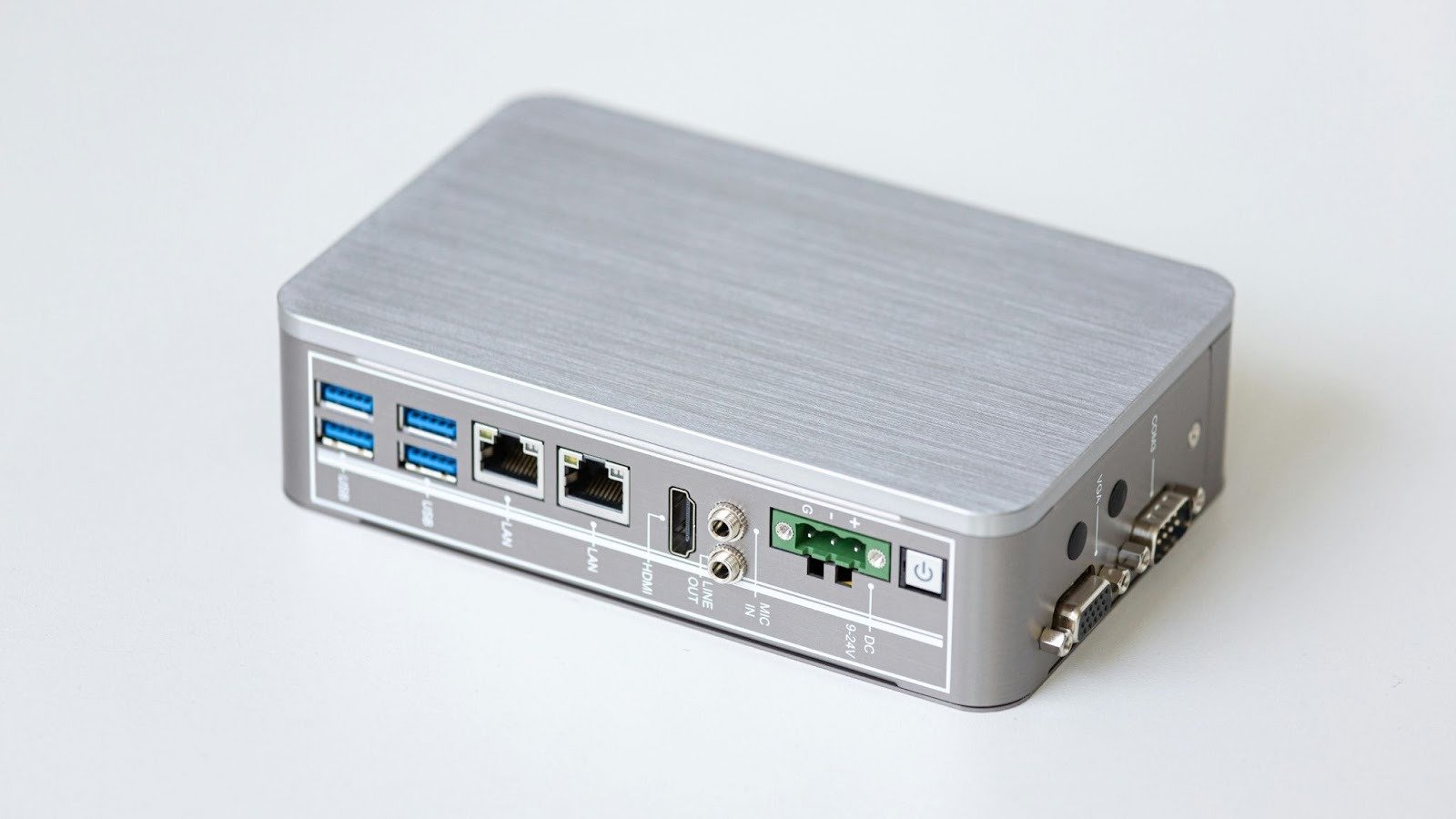
Internet connection has become an integral part of everyday life. Homes, businesses, schools and public institutions are dependent upon the reliable access to the internet for the sake of having communication, digital services, entertainment, and productivity. At the center of this connectivity is the router, a networking device that can allow multiple devices to connect to the internet through one connection. Whether for an individual setting up a home Wi-Fi network or for a business setting, the router plays a critical role in ensuring reliable internet access.
When looking for the router price in Kenya, anyone who does so will find that the price of routers can differ greatly. Some routers are made for basic home use and are quite affordable, while others are made for high-performance networks and come at a higher price. The difference in pricing is determined by a number of factors including type of router, wireless technology, processing power, security features and network capacity. Understanding these factors can help users make informed decisions when choosing a router that fits their needs.
What a Router Does in a Network
A router is in charge of managing internet traffic between devices connected within the parameters of a local network, and the rest of the internet. It serves as a gateway that regulates how data will be communicated from one computer to another, from smart phones, tablets, smart TVs and other connected devices. Without a router, multiple devices would not be able to share one internet connection in an efficient way.
Modern day routers usually come with wireless networking capabilities, so that you can use them to connect using wirelessly or via a physical cable. In addition to the distribution of internet access, routers also help to manage network traffic, so that data packets are sent to the correct destination. This helps ensure smooth internet usage, less congestion, and improved performance across connected devices.
As routers are responsible for how Internet traffic is moving in a network, their performance directly influences the connection speed, coverage, and reliability of the network. This is amongst the primary reasons why router prices vary according to the capabilities of the device.
Understanding Router Price in Kenya
The router price in Kenya varies depending on the features and performance level of the router. Entry-level routers designed for small households usually cost less because they offer basic functionality and support a limited number of devices. These routers are suitable for simple internet activities such as browsing websites, streaming videos, and checking emails.
Mid-range routers are typically more powerful and provide improved wireless coverage, faster speeds, and better device management. These routers are commonly used in homes with multiple internet users or small offices where a stable connection is important.
At the higher end of the market are routers designed for business or enterprise use. These routers often include advanced routing capabilities, stronger processors, and enhanced security features. Because they are built to support complex networks and large volumes of data traffic, they usually cost more than standard home routers.
Types of Routers Available in Kenya
The networking market offers several types of routers, each designed to serve different networking environments. Understanding these categories can help buyers determine which type of router is most appropriate for their needs.
Wireless routers are the most commonly used routers in homes and small offices. These routers create a Wi-Fi network that allows devices to connect wirelessly. They may support different wireless standards and operate on single-band or dual-band frequencies. Dual-band routers are especially useful because they allow devices to connect to different frequency channels, reducing network congestion and improving performance.
Another common category is the 4G LTE router. Unlike traditional routers that connect to broadband internet, these routers use a SIM card to access a mobile data network. The router then converts the mobile connection into a Wi-Fi network that multiple devices can use. This makes 4G LTE routers particularly useful in locations where wired internet services are limited or unavailable.
Enterprise routers are designed for organisations that require advanced networking capabilities. These routers support larger networks, higher traffic loads, and more complex configurations. They are often used in offices, universities, and corporate environments where reliable connectivity and network management are essential.
Some networking setups also rely on high-performance routers designed to handle demanding digital environments. These routers include advanced processing power and networking capabilities to support large volumes of data traffic and multiple simultaneous connections.
Features That Influence Router Price
Several technical features influence the cost of routers available in the Kenyan market. Understanding these features helps explain why some routers are more expensive than others.
Wireless speed is one of the most important factors affecting router pricing. Routers that support newer wireless technologies generally offer faster data transmission speeds and improved efficiency. Faster routers are particularly useful for activities such as streaming high-definition video, online gaming, and transferring large files.
Coverage area is another key factor. Some routers are designed to provide strong wireless signals across large homes or office spaces. These routers often include stronger antennas and improved signal technology to ensure consistent connectivity throughout the coverage area.
Device capacity also affects router pricing. In modern households and workplaces, multiple devices often connect to the network at the same time. Some routers are designed to support only a limited number of devices, while others can handle dozens of simultaneous connections. Routers that support more devices usually include more powerful processors and network management features.
Security capabilities also influence router pricing. Many modern routers include built-in firewalls, encrypted connections, and network protection features that help safeguard data and prevent unauthorised access. Advanced routers may also offer network monitoring tools and administrative controls that allow users to manage their networks more effectively.
See also: Cybersecurity in Financial Technology
Router Brands Commonly Available in Kenya
Several well-known networking manufacturers supply routers in the Kenyan market. These companies offer a wide range of products designed for different types of users and network environments.
Brands such as TP-Link, D-Link, MikroTik, Cisco, Ubiquiti, and Tenda are widely recognised in the networking industry. Each of these manufacturers produces routers with different capabilities, ranging from simple home networking devices to advanced systems used in professional environments.
The availability of multiple brands provides consumers with a variety of options when selecting networking equipment that matches their performance requirements and budget.
Factors to Consider Before Buying a Router
Before purchasing a router, it is important to consider how the device will be used. The size of the home or office plays a significant role in determining which router is most suitable. Larger spaces often require routers with stronger signal coverage or additional networking equipment to maintain consistent connectivity.
Another important factor is the number of devices that will connect to the network. Homes with multiple smartphones, laptops, smart TVs, and smart home devices typically benefit from routers that can handle higher connection loads.
Internet usage patterns also influence router selection. Users who primarily browse websites and check emails may only need a basic router, while those who rely on video streaming, gaming, or remote work may benefit from routers that support faster speeds and better performance.
Compatibility with the internet service being used should also be considered. Some routers are designed to work with specific types of internet connections such as fiber broadband or mobile data networks.
The Growing Role of Networking Technology
As digital technologies continue to expand, the importance of reliable networking equipment is increasing. Many aspects of modern life now depend on stable internet connectivity, including remote work, online education, cloud computing, and digital entertainment.
Because of this growing demand, router technology continues to evolve. Manufacturers regularly introduce routers with improved wireless speeds, enhanced security features, and better network management capabilities. These advancements help networks handle increasing volumes of data and support the growing number of connected devices used in homes and workplaces.
Conclusion
Understanding the router price in Kenya involves looking beyond the cost of the device and considering the features and capabilities it offers. Routers are available in a wide range of configurations designed to support everything from simple home networks to complex business environments.
By understanding the different types of routers, the features that influence their pricing, and the networking requirements of different users, buyers can make more informed purchasing decisions. Selecting the right router helps ensure reliable internet connectivity, better performance, and a smoother online experience for both households and businesses.