Modern day healthcare is no longer just about administering a treatment. The aim of any modern healthcare institution is to support patients during their course of treatment. Many patients in hospitals, outpatient centers, dialysis centers, infusion centers, and treatment departments like chemotherapy and recovery rooms have to undergo long hours of medical treatments and/or observation procedures. Long and taxing hours often lead to immense discomfort to patients.
This is where the specialised use of medical chair recliners comes into play. Unlike any standard or traditional chair which can put a person at immense inconvenience for hours, medical recliners offer the patient ample support and convenience for extended sitting, undergoing treatment, observation, or even recovery. Their design caters to the need for postural support, flexibility, accessibility, and most significantly, patient comfort. These factors also simplify the tasks of healthcare staff involved in providing patient care. The shift toward patient-centered healthcare means that medical recliner chairs are now integral to most treatment centers and hospitals.
Certain medical treatments can last hours. Patients undergoing treatment for medical conditions such as chemotherapy, dialysis, infusion therapy, blood transfusions, and recovery following post-procedural monitoring are often required to stay in a reclined or sitting position for an extended period. During the entire treatment duration, comfort level becomes an intrinsic component of the healthcare process.
Why Comfort Matters During Long Treatments
Most medical treatments not only are physically exhaustive and painful, but also emotionally distressing to the patient. Many patients undergoing prolonged treatment are already experiencing physical challenges such as pain, fatigue, or immobility. Therefore, an uncomfortable sitting position can exacerbate such challenges, increase anxiety, and make treatment sessions feel longer and more burdensome.
Proper support during prolonged sitting hours in a treatment session helps the patient maintain a relaxed position and relieve body stress. Appropriate support at the back, neck, legs, and arms allows the patient to rest in a comfort zone during long treatment periods. When comfortable seating is provided, it also influences a patient’s psychological status. Comfortably seated patients are better able to maintain their calm, can engage in conversations, reading, or even other work-related tasks.
All these contribute towards an improved patient experience. With growing emphasis on patient experience as part of a positive medical experience, comfortable furniture like recliner chairs has come a long way in redefining healthcare facilities.
The Importance of Adjustable Positioning
What separates medical chair recliners from standard ones is the ability to change the seating position as per the patient’s needs, while also considering clinical feasibility. Given their different age groups, physical health, existing medical conditions, or treatment methods, each patient may have unique ergonomic requirements. The reclining facility lets the patient alter their body posture to avoid strain on specific body points and improve circulation during lengthy stays.
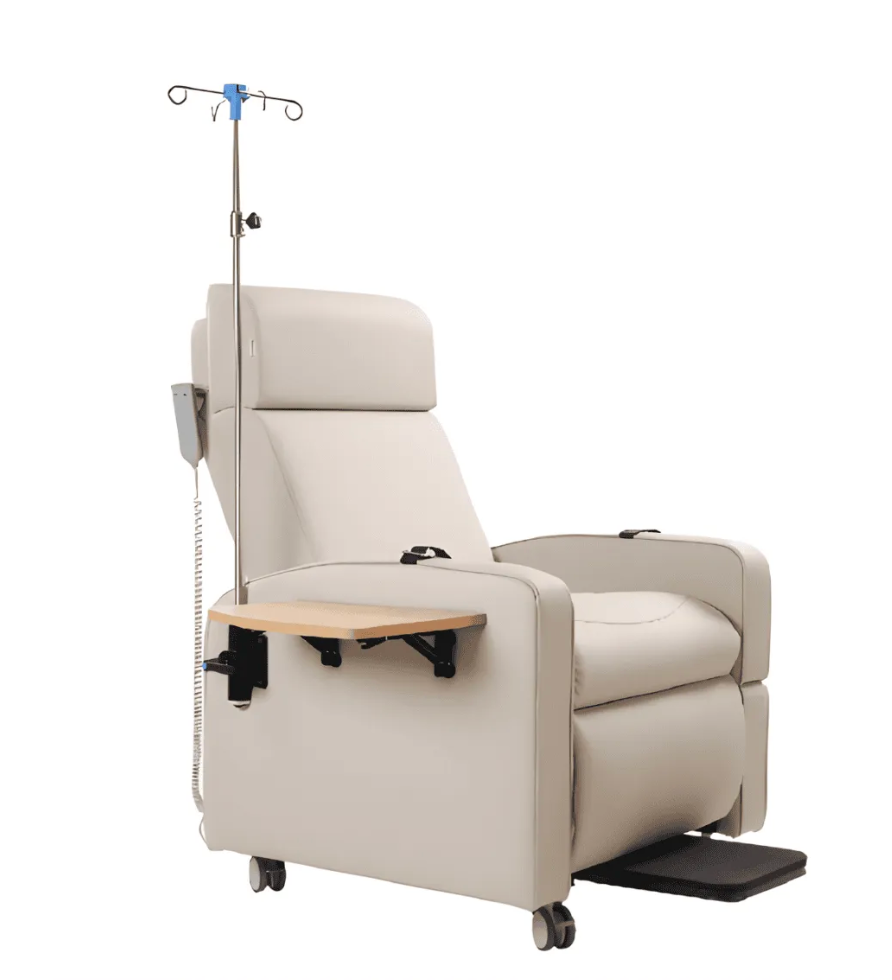
Depending on the nature of a medical treatment, some patients will require a partial recline while others will necessitate a near flat recline in the recliner chair. The adjustable leg support and backrest accommodate such diverse needs, which also helps the clinical staff in performing some treatments.
See also: How to Choose the Right Health Insurance Plan in the Digital Age
Supporting Physical Wellbeing During Extended Care
Long treatment sessions can place significant strain on the body, particularly for elderly patients or individuals with existing health concerns. Sitting for extended periods may lead to muscle stiffness, discomfort, fatigue, or poor posture if seating is not properly designed.
Medical recliner chairs are typically built with ergonomic considerations that help support natural body alignment. Features such as lumbar support, cushioned seating, padded armrests, and adjustable leg rests contribute to a more comfortable sitting experience.
Proper body support becomes especially important during treatments that require patients to remain seated for several consecutive hours. Comfortable positioning can help reduce pressure points and minimise physical stress throughout the treatment period.
For patients recovering from surgery or undergoing rehabilitation, supportive seating may also assist in maintaining comfort while gradually improving mobility and recovery progress.
Improving Accessibility for Patients
Healthcare facilities serve people with a wide range of mobility levels. Some patients may have difficulty standing, sitting, or repositioning themselves independently. Medical recliner chairs are often designed to improve accessibility and make movement easier for individuals with physical limitations.
Stable armrests, supportive seating heights, and smooth reclining mechanisms can help patients transition more safely between sitting and standing positions. This is particularly beneficial for elderly individuals, post-operative patients, or those experiencing weakness due to illness or treatment.
Accessible seating not only improves patient comfort but also helps reduce physical strain on caregivers and healthcare staff who assist patients throughout the day.
Creating a safer and more manageable environment contributes positively to both patient care and operational efficiency within healthcare settings.
Reducing Stress and Anxiety During Treatment
Many medical treatments involve emotional challenges alongside physical ones. Patients undergoing regular procedures may experience anxiety, uncertainty, or stress before and during appointments.
The treatment environment itself can influence emotional comfort. Harsh clinical surroundings often increase feelings of discomfort, whereas supportive and comfortable spaces can help patients feel more relaxed. Medical recliner chairs contribute to creating a calmer atmosphere by making treatment areas feel less intimidating and more patient-friendly.
When patients are physically comfortable, they are often better able to focus on rest, entertainment, reading, or conversation during treatment. This can help make lengthy sessions feel more manageable and less overwhelming.
Many healthcare providers now recognise that patient comfort is closely linked to emotional wellbeing, making supportive furniture an important part of overall care design.
Supporting Healthcare Professionals
While patient comfort remains the primary goal, medical recliner chairs also offer practical benefits for healthcare professionals. Treatment procedures often require nurses and clinicians to access patients comfortably and safely.
Features such as adjustable positioning, accessible arm supports, and mobility options allow healthcare staff to perform treatments more efficiently. Whether administering medication, monitoring patients, conducting examinations, or providing ongoing care, proper patient positioning can improve workflow within treatment spaces.
Some recliner models are also designed with durable materials and easy-clean surfaces that support hygiene standards within medical environments. Since healthcare facilities require frequent cleaning and maintenance, furniture durability becomes an important consideration.
This balance between patient comfort and clinical functionality makes medical recliners a practical solution across multiple healthcare settings.
Applications Across Different Healthcare Environments
Medical recliner chairs are now used in a wide variety of healthcare environments beyond traditional hospital rooms. Their versatility makes them suitable for many forms of outpatient and long-term treatment.
Infusion therapy centres frequently use recliners because patients may remain seated for several hours while receiving treatment. Dialysis units also rely on comfortable seating due to the extended duration of dialysis sessions. Chemotherapy centres often prioritise recliner comfort because patients may undergo repeated treatments over long periods.
Recovery rooms, rehabilitation facilities, blood donation centres, and specialty clinics also benefit from supportive recliner seating. In each case, the goal is to improve patient comfort while supporting effective healthcare delivery.
As outpatient care continues growing worldwide, the demand for patient-friendly treatment environments is expected to increase further.
The Growing Focus on Patient-Centred Design
Healthcare design has evolved significantly in recent years. Modern facilities increasingly focus on creating environments that support healing, comfort, and positive patient experiences rather than concentrating solely on clinical functionality.
Furniture plays an important role in this shift. Medical recliner chairs reflect a broader movement toward patient-centred healthcare design where comfort, accessibility, and emotional wellbeing are considered alongside medical treatment.
Patients today often expect healthcare environments to provide both professional care and physical comfort. Facilities that invest in supportive treatment spaces can help improve overall patient satisfaction while creating more welcoming environments for long-term care.
This growing emphasis on comfort highlights the changing relationship between healthcare design and patient experience.
Final Thoughts
Medical recliner chairs have become an important part of modern healthcare settings because they directly address one of the most overlooked aspects of treatment: patient comfort. For individuals spending long hours receiving care, supportive seating can significantly improve physical wellbeing, emotional comfort, and overall treatment experience.
Through adjustable positioning, ergonomic support, improved accessibility, and patient-centred design, medical recliners help create environments that feel more comfortable and less stressful during extended treatments. They also support healthcare professionals by improving patient positioning and treatment efficiency.
As healthcare continues evolving toward more patient-focused care models, medical recliner chairs are likely to remain an essential feature in treatment centres, clinics, hospitals, and recovery spaces where comfort plays a vital role in the healing journey.