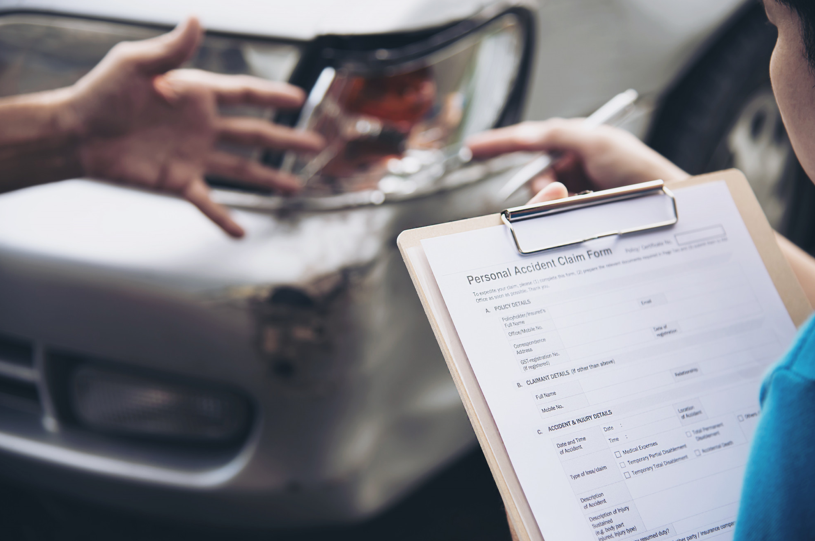
In a car accident case, liability can fall on one or multiple parties depending on who caused or contributed to the crash. Potentially liable parties may include negligent drivers, vehicle owners, employers, vehicle manufacturers, government entities responsible for road conditions, or even pedestrians in certain situations. Determining liability is essential because it directly affects who must pay for medical expenses, property damage, lost wages, and other compensation after an accident.
After a collision, many victims are unsure whom they can legally pursue for damages. Speaking with a car accident lawyer early in the process can help identify responsible parties and preserve critical evidence. Liability is not always straightforward, and multiple individuals or organizations may share responsibility under U.S. personal injury law.
Understanding how liability works helps accident victims protect their rights and avoid accepting blame or inadequate insurance settlements.
1. The Negligent Driver
The most common liable party in a car accident is another driver whose careless or reckless behavior caused the crash. Examples of driver negligence include:
- Speeding
- Distracted driving (texting or phone use)
- Driving under the influence
- Running red lights or stop signs
- Aggressive or reckless driving
If a driver fails to operate a vehicle safely and causes injury or damage, they are typically held financially responsible through their insurance coverage.
2. The Vehicle Owner
In some cases, the vehicle owner may be liable even if they were not driving at the time of the accident. For example, if an owner knowingly allows an inexperienced, reckless, or unlicensed driver to use their vehicle, they may share legal responsibility under negligent entrustment laws.
Insurance policies often follow the vehicle rather than the driver, which is why ownership matters in liability determinations.
3. Employers and Commercial Companies
If the at-fault driver was working at the time of the accident—such as a delivery driver, rideshare operator, or company employee—the employer may also be liable. Under the legal doctrine of “respondeat superior,” employers can be responsible for employees’ actions performed within the scope of their job duties.
This commonly applies to:
- Trucking companies
- Delivery services
- Construction companies
- Corporate fleet vehicles
Employer liability can significantly increase available compensation because commercial policies often carry higher coverage limits.
4. Vehicle Manufacturers or Parts Companies
Sometimes accidents occur due to mechanical failure rather than driver error. If defective brakes, airbags, tires, or steering systems contribute to a crash, the vehicle manufacturer or parts supplier may be held liable under product liability laws.
Examples include:
- Faulty airbag deployment
- Brake system failures
- Tire blowouts caused by manufacturing defects
- Malfunctioning safety systems
These cases often require expert investigation and technical analysis.
5. Government Entities Responsible for Road Conditions
Poor road design or maintenance can also contribute to accidents. Local or state government agencies may be liable if dangerous roadway conditions caused or worsened the collision, such as:
- Potholes or uneven pavement
- Missing traffic signs
- Malfunctioning traffic lights
- Poorly designed intersections
- Lack of proper road warnings
Claims against government entities involve special procedures and strict filing deadlines.
See also: How Law Schools Are Cultivating Resilience and Adaptability in Modern Jurisprudence
6. Pedestrians, Cyclists, or Other Third Parties
Liability is not always limited to drivers. Pedestrians who ignore traffic signals, cyclists who violate traffic laws, or third-party drivers who trigger chain-reaction crashes may also share responsibility.
Many states follow comparative negligence rules, meaning multiple parties can share fault, and compensation is adjusted according to each party’s percentage of responsibility.
7. How Liability Is Determined
Insurance companies, attorneys, and courts evaluate several types of evidence, including:
- Police accident reports
- Witness statements
- Traffic camera or dashcam footage
- Vehicle damage analysis
- Medical records
- Accident reconstruction expert opinions
A thorough investigation ensures liability is assigned accurately.
Key Takeaways
- Liability in a car accident may involve multiple parties, not just one driver.
- Negligent drivers are the most common responsible parties.
- Vehicle owners, employers, and manufacturers may also share liability.
- Government agencies can be responsible for unsafe road conditions.
- Comparative negligence laws may divide fault among several parties.
- Consulting a car accident lawyer can help identify all liable parties and protect your claim.