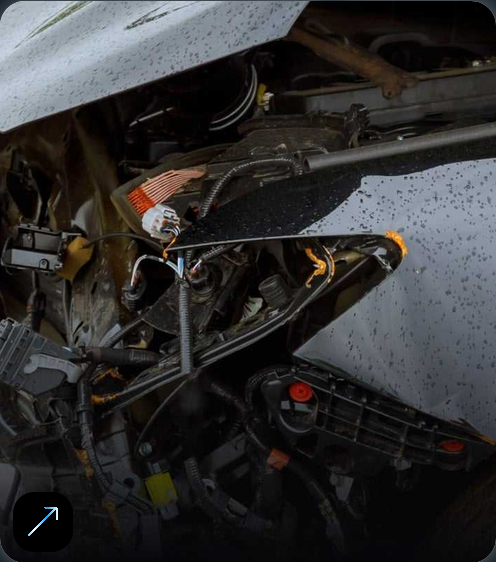
You back into a pole, look at the dent, and think about what it will cost. That is the wrong first question. Auto body repair on a leased car answers to someone other than you, because the finance company still holds the title to the vehicle. Your lease contract already decided what an acceptable repair looks like. It also decided who gets to judge the work, and when that judgment happens.
Most drivers learn this at turn-in, long after the auto body repair was finished and paid for. An inspector walks the car with a bright light, finds a panel that does not match, and writes a charge you did not budget for. Here is why that happens, and how to stay ahead of it.
Your Lease Contract Sets the Auto Body Repair Standard
Leasing companies expect normal wear. What they will not accept is damage that lowers the car’s resale value beyond what age and mileage explain. Federal consumer guidance lists poor-quality repairs, or repairs that do not meet the lessor’s standards, as excess wear and tear, alongside dented body panels, cracked glass, and broken parts.
Read that again. A repair itself can become the charge.
Things lease inspectors commonly flag:
- Dents and scratches larger than the allowance in your agreement
- Cracked or chipped glass
- Paint that does not match the surrounding panel
- Overspray, bubbles or debris in a refinished area
- Missing or non-original parts
See also: 5 Ways Outdoor Spaces Can Enhance Your Quality of Life
The Credit Card Test Decides What Needs Fixing
Before you spend anything, measure the damage. The industry uses a rough-size rule during inspection. Toyota Financial Services treats a single scratch that penetrates the paint, or a dent larger than a credit card, as excess wear. Smaller marks usually pass without comment.
So pull out a card and hold it against the damage. If the card covers it and the paint is intact, you may be worrying over nothing. If it does not, the clock starts.
The most useful thing you can do is book the free pre-inspection your leasing company offers. Toyota, for one, recommends scheduling a courtesy pre-inspection so you can address damage before lease-end rather than finding out later.
Cheap Auto Body Repair Costs More At Turn-In
This is where drivers lose money. A budget shop fixes the bumper for less. Six months later, the paint has dulled at a different rate than the rest of the car, or the clear coat shows bubbles, and the inspector charges you for a proper repaint anyway.
You paid twice. The first payment bought you nothing.
Ford Credit counts poor-quality repairs as excess wear and use, right next to broken parts and mismatched tires. The finance company is not judging your effort. It is judging whether the car can be resold at auction for the number written into your residual value.
That is the whole logic behind every charge on that final invoice.
Insurance Claims, Deductibles and What Gets Reported
Plenty of lessees think about paying cash to keep a claim off the record. That reasoning has a hole in it. Body shop work gets reported to vehicle history databases regardless of who pays, and the inspection at turn-in happens either way.
The real question is cost timing. Repairing damage during the lease is almost always cheaper than accepting a lease-end charge for the same damage. Ford Credit recommends making any necessary repairs before returning the vehicle and notes that your insurance may cover some of the damage.
Relux Collision handles claims directly with major carriers, including AAA, GEICO, State Farm, Allstate and Progressive. The shop also offers deductible assistance of up to $1,000 through the Relux Cash Back program, which can reduce your out-of-pocket cost for a covered repair.
Glass and Calibration Services Inspectors Check Closely
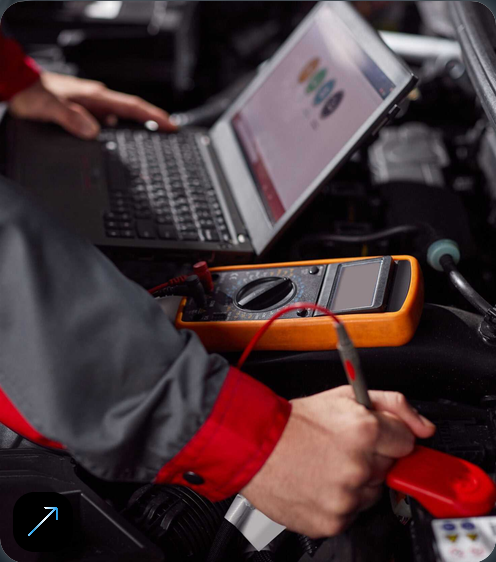
Windshield damage is a common lease-end charge, and it rarely stays a glass problem. Cameras and sensors sit behind modern windshields and inside bumpers. Move them, and the driver assistance systems need recalibrating.
Skip that step, and you hand back a car with systems that do not read the road correctly. Relux Collision runs calibration services and diagnostic scanning alongside glass replacement and bumper repair, so the electronics get verified after the panel work is done.
Wraps and Paint Protection Film on a Leased Vehicle
Want to change the look of a car you do not own? Check the modification clause in your agreement first, then get written approval. Most manufacturer lease programs allow temporary changes, such as vinyl wrap, provided the film comes off completely before turn-in, and the underlying paint is undamaged.
Paint protection film works in your favor here. It shields the factory finish from stone chips and road grit during the lease, then removes cleanly. Budget for professional removal well before your return date, because aged film and aggressive peeling can lift clear coat.
Next Steps Before Your Return Date
Give yourself time. Repairs booked three weeks out cost less stress than repairs booked three days out.
- Read the wear and use section of your lease agreement.
- Schedule the pre-inspection your leasing company offers
- Get a written estimate on anything the card test fails.
- Allow time for insurance approval and the repair itself.
- Keep every receipt as proof of professional work.
Bring the car to Relux Collision for an estimate before that inspection date. Call 916-823-9617 or request a quote at sales@reluxcollision.com to find out what the repair will actually cost before your leasing company tells you what it will charge.