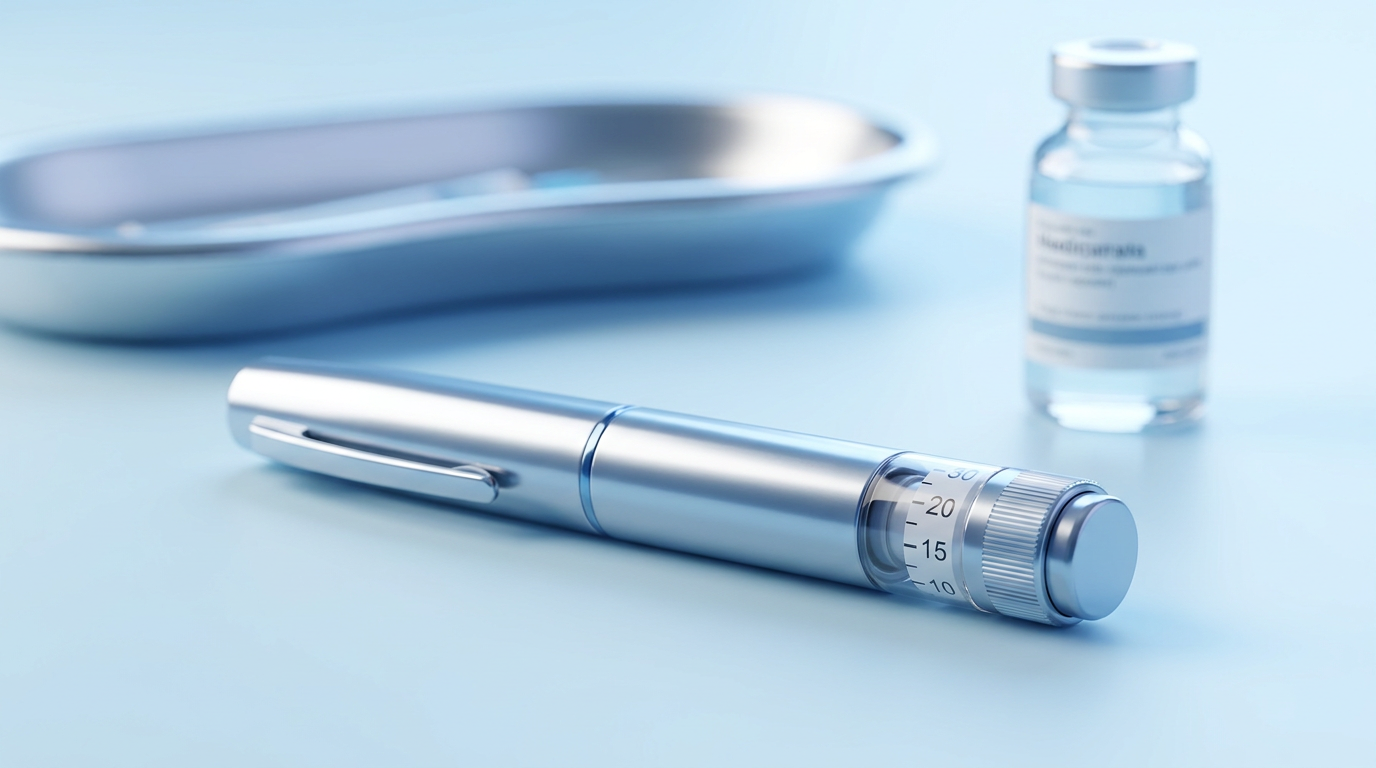
Nobody starts by choosing a dose count. A prescriber confirms the indication, screens for the contraindications, then writes the labeled initiation amount, and the pen presentation and quantity fall out of that decision. Semaglutide injection under the Ozempic label is approved for type 2 diabetes plus cardiovascular and kidney outcome uses in that population. Wegovy is the semaglutide product for chronic weight management.
Indication is settled before any pen is picked
The two labels are not interchangeable and they do not share a dose ladder. Per DailyMed, the Ozempic label covers glycemic control in adults with type 2 diabetes, reducing major adverse cardiovascular events in adults with type 2 diabetes and established cardiovascular disease, and reducing the risk of sustained eGFR decline, end-stage kidney disease, and cardiovascular death in adults with type 2 diabetes and chronic kidney disease. Weight management is not on it.
That distinction determines the strength dispensed, the number of injections in the box, and what the pharmacy bills. A request framed around a number of doses skips the step that actually decides the answer.
The screening that comes before the first pen
Semaglutide carries a boxed warning about thyroid C-cell tumors observed in rodents, and is contraindicated in anyone with a personal or family history of medullary thyroid carcinoma or with multiple endocrine neoplasia syndrome type 2, as well as in anyone with a serious hypersensitivity reaction to semaglutide or the excipients. Those two questions are absolute stops, and they are asked before anything is shipped.
After that, the labeled warnings shape the intake: history of pancreatitis, diabetic retinopathy that needs monitoring, severe gastroparesis, risk of volume depletion and acute kidney injury, gallbladder disease, and concomitant insulin or an insulin secretagogue, where the labeling notes a dose reduction of that medication may be needed to limit hypoglycemia. A 2025 clinical practice guideline update on obesity pharmacotherapy in adults sets out a similar structure for the assessment that precedes any prescription in this class.
Where that first prescription is written shapes how closely the opening weeks are watched. Manufacturer channels like LillyDirect and NovoCare Pharmacy dispense the branded pen through defined routes, while cash-pay telehealth options vary in how much clinician review comes with the start: HealthRX publishes its Ozempic program details openly, and providers such as Ro, Hims & Hers, and Henry Meds each structure the first consult and refill on their own terms. Screening decides whether treatment begins at all, but the access route decides who is paying attention once it does.
How initiation becomes a quantity on the prescription
The labeled start is 0.25 mg once weekly for four weeks, given at any time of day with or without meals, injected subcutaneously in the abdomen, thigh, or upper arm. Four weekly injections is what the 2 mg/3 mL presentation supplies at that amount, which is why an opening prescription is normally one pen rather than several.
Two constraints then set the refill rhythm. The initiation amount is not a maintenance amount, so the next prescription is usually a different presentation. And a pen in use can be kept for 56 days at controlled room temperature or refrigerated, which caps how far ahead someone can stockpile without the product timing out.
| Decision point | What the clinician is establishing | What it changes about the pen supplied |
|---|---|---|
| Indication | Which semaglutide label applies | Product, strength, and approved dose ladder |
| Contraindication screen | Thyroid history, MEN 2, hypersensitivity | Whether anything is dispensed at all |
| Concurrent medications | Insulin or secretagogue use, oral drug timing | Whether other prescriptions change alongside |
| Initiation amount | The labeled four-week starting step | Presentation dispensed and injections per carton |
| Follow-up interval | When tolerability is reassessed | Refill timing against the 56-day in-use window |
What first-pen training is supposed to cover
The instructions for use carry a short list that decides whether the first month works. Check the flow before the first injection with each new pen and only then, dialing to the flow check symbol and confirming a drop at the needle tip, because the labeling warns that if no drop appears nothing is delivered even while the counter moves. Read the dose counter and dose pointer rather than listening, since the labeling states plainly not to set a dose by counting clicks and notes the selector clicks differently forward than backward. Use a new needle each time. Never share a pen, even with a changed needle. Never use a syringe to withdraw from the pen. If the counter stops before the intended number, the pen no longer holds a full dose and a new one should be started.
None of that is advanced. It is also the part most often compressed into a shipping insert nobody reads, and device studies in the insulin literature have repeatedly found that self-reported technique and observed technique diverge.
Follow-up matters more than the opening number
The starting amount is standardized. What varies between programs is what happens in weeks two through eight, when tolerability is either managed or ignored. International real-world evidence on adherence and persistence with GLP-1-based therapies shows a large share of people stop within the first year, and structured follow-up is one of the few levers that moves that figure.
So when comparing access routes, the useful question is not the headline price but who is actually reachable when the first pen behaves unexpectedly. NovoCare Pharmacy and LillyDirect dispense manufacturer product through defined channels. Telehealth programs such as Ro, Hims & Hers, LifeMD, and WeightWatchers Clinic differ in whether a clinician reviews the first month at all, and for any cash-pay service the follow-up model is set by the provider behind it rather than by the drug. That is worth checking before the first payment, alongside what happens to the price at the second refill.
A compounded start does not import the labeled one
Compounded semaglutide is not FDA-approved. Concentration is set by the compounding pharmacy, so the milligram figures on a branded carton describe a different object. There is no dose counter on a vial and no fixed dose count printed on it. FDA has published guidance on what compounding is and is not, and separately maintains resources on verifying an online pharmacy before buying anything. Any starting instruction for a compounded preparation has to come from the prescriber and pharmacy that produced it.
Frequently asked questions
Why is the starting amount the same for almost everyone?
Because it is not a therapeutic amount. The labeling describes the first four weeks as initiation and states the escalation exists to reduce gastrointestinal adverse reactions. Body size and starting glucose control do not change that opening step; they influence how far up the ladder someone eventually goes and how quickly.
Can a starting plan skip to a higher step?
The labeled sequence has minimum intervals of at least four weeks between increases, and the initiation period is written as four weeks at 0.25 mg. Jumping ahead abandons the tolerability logic the schedule is built on, and severe gastrointestinal reactions are a named warning in the label.
What should be documented before the first injection?
Indication and diagnosis, thyroid and MEN 2 history, pancreatitis and gallbladder history, retinopathy status, current diabetes medications including insulin, kidney function, pregnancy status, and confirmation that device training happened. That record is what makes a later problem interpretable rather than guesswork.
Does the day of the week matter once treatment starts?
The labeling allows the weekly administration day to be changed if needed, as long as at least 48 hours separate two doses. Picking a day the person is reliably at home for the first few weeks tends to help more than picking a clinically ideal one, since missed injections early are usually logistical.