Maintaining controlled humidity levels is a critical requirement in industrial environments where moisture can directly affect product quality, production efficiency, and facility conditions. Excess humidity can cause corrosion, contamination, and material instability, leading to inconsistent output and increased operational risks. Advanced industrial dehumidification systems are designed to regulate moisture precisely and maintain stable environmental conditions across manufacturing and storage areas.
Reliable humidity management solutions from Bry-Air support industries in achieving consistent moisture control across large scale industrial and commercial facilities. These systems are engineered to protect sensitive materials, maintain equipment performance, and support uninterrupted production processes. By investing in industrial dehumidification, organizations can reduce quality deviations, limit moisture related losses, and create controlled environments that support long term operational reliability.
What Is Industrial Dehumidification and Why Is It Important?
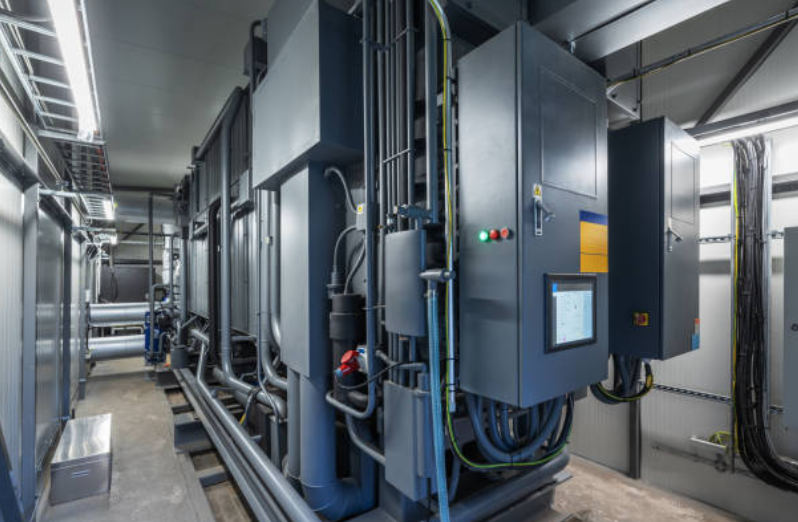
Industrial dehumidification refers to the process of removing excess moisture from the air to maintain a specific humidity range. These systems use desiccant based or refrigeration based technologies to extract moisture efficiently. Humid air is drawn into the system, moisture is removed, and dry air is redistributed throughout the space to maintain consistent conditions.
Controlling humidity is essential in environments where moisture can affect raw materials, finished goods, or production equipment. Without proper control, excess humidity can lead to surface degradation, corrosion, and compromised material integrity. Industrial dehumidification ensures stable environmental conditions that support quality assurance and operational consistency.
How Does Excess Humidity Impact Product Quality?
Excess humidity can significantly affect the physical and chemical properties of products. Moist environments increase the risk of microbial growth, material swelling, and surface damage. These effects can reduce shelf life, weaken structural integrity, and compromise overall product quality.
High humidity also affects packaging materials, causing warping or loss of strength. Over time, this can lead to contamination or product deterioration during storage and transportation. Effective dehumidification minimizes these risks by maintaining controlled humidity levels throughout production and storage cycles.
Can Industrial Dehumidifiers Improve Process Stability?
Industrial dehumidifiers contribute to improved process stability by maintaining consistent environmental conditions. Fluctuating humidity levels can disrupt manufacturing processes, leading to variations in material behavior and production outcomes. Stable humidity ensures predictable process performance and consistent product characteristics.
By reducing moisture related variability, dehumidification systems help facilities maintain steady production schedules and minimize quality deviations. This level of control supports continuous manufacturing operations and reduces the likelihood of rework or production delays.
What Role Do Dehumidifiers Play in Equipment Protection?
Moisture can cause significant damage to industrial equipment over time. Corrosion of metal components, condensation in electrical systems, and degradation of mechanical parts are common consequences of uncontrolled humidity. Industrial dehumidifiers help prevent these issues by maintaining dry operating conditions.
Protecting equipment from moisture related damage extends its operational lifespan and reduces maintenance requirements. Stable humidity conditions also improve equipment reliability, reducing unexpected failures and downtime. This contributes to smoother operations and improved overall equipment effectiveness.
How Do Industrial Dehumidifiers Support Energy Efficiency?
Modern industrial dehumidification systems are designed to balance performance with energy efficiency. Advanced control systems regulate moisture removal precisely, avoiding unnecessary energy consumption. By maintaining optimal humidity levels rather than over drying, these systems reduce power usage while delivering consistent results.
Energy efficient operation helps facilities manage operating costs while supporting sustainability objectives. Reduced energy consumption also lowers the environmental impact of industrial operations, making dehumidification an important component of responsible facility management.
Are Dehumidification Systems Adaptable to Different Industries?
Different industries require specific humidity conditions to maintain product quality and compliance standards. Industrial dehumidifiers are adaptable and can be configured to meet the unique requirements of various applications. Manufacturing environments benefit from stable conditions that support material consistency. Electronics and high technology sectors require controlled humidity to protect sensitive components.
Pharmaceutical and storage facilities rely on precise moisture control to maintain product stability. Dehumidification systems can be scaled and customized to support these diverse requirements, ensuring reliable performance across a wide range of industrial and commercial settings.
See also: Commercial Builders Brisbane: Turning Business Visions into Functional Spaces
How Does Proper Humidity Control Improve Workplace Safety?
Maintaining appropriate humidity levels plays an important role in workplace safety. Excess moisture can lead to condensation on floors and surfaces, increasing the risk of slips and accidents. High humidity also contributes to corrosion of safety equipment and structural components.
Industrial dehumidifiers help maintain dry and stable environments that reduce moisture related hazards. By preventing mold growth and condensation, these systems support healthier indoor conditions and safer working environments for employees.
What Maintenance Practices Ensure Reliable Performance?
Regular maintenance is essential to ensure industrial dehumidifiers operate efficiently and consistently. This includes inspecting filters, cleaning internal components, and verifying the accuracy of humidity sensors. Many modern systems include automated monitoring features that alert operators when maintenance is required.
Proper maintenance helps prevent performance issues and ensures long term reliability. Well maintained dehumidification systems continue to provide stable humidity control, protecting products, equipment, and facility conditions over time.
Conclusion
Industrial dehumidification plays a vital role in supporting quality driven manufacturing, equipment protection, and workplace safety. Advanced systems provide precise moisture control, energy efficiency, and adaptability across a wide range of industrial environments. By maintaining stable humidity conditions, organizations can protect products, reduce operational risks, and improve overall process reliability. For expert guidance and customized humidity control solutions, visit Contact Us to strengthen your facility’s environmental control strategy.