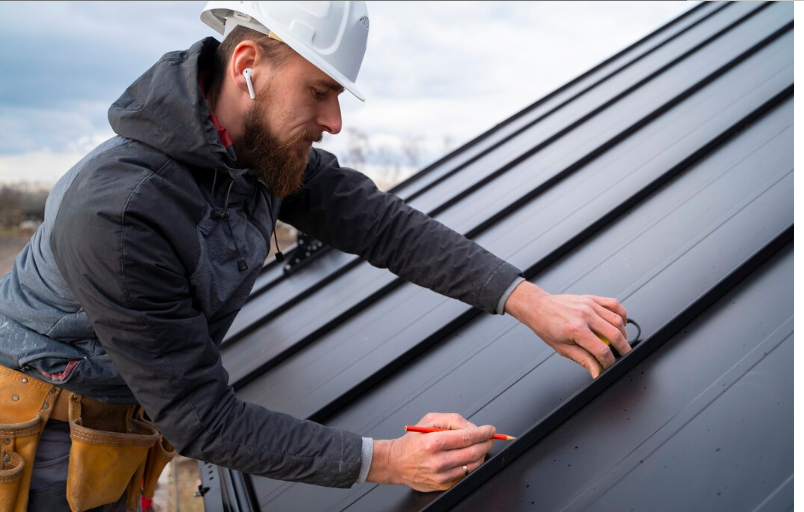
Roof flashing plays a critical role in protecting a home from moisture damage, yet it is often overlooked until leaks appear. During a residential roof inspection, flashing is one of the most important components evaluated because it seals vulnerable areas where water is most likely to enter. Proper maintenance of roof flashing helps extend roof lifespan, prevent structural damage, and maintain indoor comfort by keeping moisture out.
This guide explains how roof flashing works, why it fails, and how homeowners and property managers can maintain it effectively to prevent water intrusion over time.
Understanding Roof Flashing and Its Purpose
Roof flashing refers to thin pieces of metal or waterproof material installed at joints, seams, and transitions on a roof. These areas naturally experience higher water flow and are more prone to leaks.
Flashing directs water away from openings and toward drainage paths such as gutters or roof slopes. Without properly functioning flashing, even a high quality roofing system can develop leaks.
Common flashing materials include aluminum, galvanized steel, copper, and sometimes composite materials designed for modern roofing systems.
Areas of the Roof Where Flashing Is Installed
Flashing is not limited to one location. It is strategically placed anywhere the roof surface meets another structure or changes direction.
Key flashing locations include:
- Around chimneys and skylights
- Along roof valleys where slopes meet
- At roof edges and drip lines
- Around vents and plumbing pipes
- Where walls intersect with roofing surfaces
Each location serves a different protective purpose, but all share the same goal of preventing water penetration.
Why Roof Flashing Fails Over Time
Even durable flashing materials degrade due to environmental exposure and installation issues. Understanding these causes helps identify problems before serious damage occurs.
Weather Exposure
Continuous exposure to rain, wind, UV rays, and temperature fluctuations causes expansion and contraction. Over time, this movement loosens fasteners and weakens sealants.
Seasonal freeze and thaw cycles can accelerate cracking around flashing edges, especially in colder climates.
Improper Installation
Incorrect installation is one of the leading causes of flashing failure. Poor overlap, inadequate sealing, or incorrect fastening allows water to bypass protective layers.
Flashing must integrate correctly with shingles and underlayment to function properly.
Corrosion and Material Aging
Metal flashing can corrode when protective coatings wear away. Rust gradually creates holes or weak spots that allow moisture entry.
Older roofs may also contain flashing materials that no longer meet modern durability standards.
Signs That Roof Flashing Needs Maintenance
Early detection prevents minor issues from turning into costly repairs. Visual inspections can reveal warning signs that flashing requires attention.
Look for:
- Rust stains or corrosion marks
- Loose or lifted flashing edges
- Cracked sealant around joints
- Water stains on ceilings or walls
- Mold or moisture in attic spaces
These symptoms often appear before visible roof leaks develop.
How Water Intrusion Begins Around Flashing
Water intrusion rarely occurs suddenly. It typically starts with small gaps that gradually widen as weather conditions worsen.
When sealant deteriorates or flashing shifts slightly, water begins seeping beneath roofing materials. Gravity then carries moisture into insulation, decking, and interior structures.
Over time, trapped moisture can lead to:
- Wood rot in roof decking
- Insulation damage
- Mold growth
- Ceiling discoloration
- Structural weakening
Maintaining flashing interrupts this process at its earliest stage.
Routine Roof Flashing Maintenance Practices
Consistent maintenance significantly reduces the risk of leaks and extends the life of flashing systems.
Perform Seasonal Visual Inspections
Inspect flashing at least twice per year, ideally during spring and fall. Look closely at joints, seams, and areas exposed to heavy runoff.
Pay special attention after storms with strong winds or heavy rainfall.
Keep Roof Surfaces Clean
Debris accumulation traps moisture against flashing surfaces. Leaves, branches, and dirt accelerate corrosion and weaken sealants.
Clear valleys and drainage paths regularly to allow water to flow freely.
Check Sealant Conditions
Sealants around flashing dry out over time. Cracks or shrinking indicate the need for resealing.
Reapplying compatible roofing sealant helps restore waterproof protection.
Secure Loose Sections
Fasteners may loosen due to thermal movement. Tightening or replacing them ensures flashing remains firmly attached.
Loose flashing should never be ignored, as movement quickly worsens water penetration.
Types of Roof Flashing and Their Maintenance Needs
Different flashing designs require slightly different maintenance approaches.
Step Flashing
Step flashing is installed along roof to wall intersections. Each piece overlaps the next, directing water downward.
Maintenance involves checking alignment and ensuring shingles fully cover flashing edges.
Valley Flashing
Valleys carry large volumes of water during rainstorms. Valley flashing must remain smooth and unobstructed.
Inspect for dents, debris buildup, or separation from roofing materials.
Chimney Flashing
Chimney flashing includes multiple components such as base flashing and counter flashing. Because chimneys expand differently than roofs, sealants here deteriorate faster.
Regular inspection of mortar joints and metal edges is essential.
Vent Pipe Flashing
Rubber or metal collars seal around plumbing vents. Rubber components may crack due to UV exposure.
Replace damaged collars promptly to prevent leaks.
Preventing Water Intrusion Through Proper Drainage
Flashing works best when supported by effective roof drainage. Standing water increases pressure on flashing seams and accelerates deterioration.
Maintaining gutters and downspouts helps reduce stress on flashing components.
Important drainage considerations include:
- Keeping gutters free of blockages
- Ensuring downspouts direct water away from foundations
- Maintaining proper roof slope drainage
- Removing ice dams in winter climates
Efficient drainage reduces long term moisture exposure.
The Role of Professional Inspections
While visual checks help identify surface issues, professional inspections provide deeper evaluation. Roofing professionals examine hidden vulnerabilities that may not be obvious from ground level.
They assess flashing integration with underlayment, evaluate structural movement, and identify early corrosion patterns.
Professional inspections are especially valuable after severe weather events or when roofs reach midlife age.
See also: Cybersecurity in Financial Technology
Repair vs Replacement of Roof Flashing
Not all flashing damage requires full replacement. Determining the appropriate solution depends on material condition and extent of deterioration.
When Repairs Are Enough
Minor problems can often be resolved through:
- Resealing joints
- Refastening loose sections
- Patching small corrosion areas
- Replacing localized flashing pieces
These solutions restore waterproofing without major roof work.
When Replacement Is Necessary
Replacement becomes necessary when flashing shows widespread corrosion, bending, or improper installation.
If leaks persist despite repeated repairs, replacing flashing ensures long term protection.
Common Maintenance Mistakes to Avoid
Improper maintenance practices sometimes cause more harm than good. Avoiding these mistakes protects roof integrity.
Common errors include:
- Using incompatible sealants that degrade metal
- Walking directly on flashing and bending it
- Covering flashing entirely with roofing cement
- Ignoring small cracks until leaks develop
Maintenance should preserve flashing function rather than conceal problems.
Seasonal Considerations for Flashing Care
Each season presents unique challenges for roof flashing.
Spring
Spring inspections reveal damage caused by winter weather. Snow and ice may loosen flashing or crack sealants.
Summer
Heat expansion can expose installation weaknesses. UV radiation accelerates aging of rubber components.
Autumn
Falling leaves create debris buildup that traps moisture around flashing.
Winter
Ice formation stresses seams and may lift flashing edges if drainage is poor.
Seasonal awareness helps maintain consistent roof protection year round.
How Roof Design Influences Flashing Performance
Roof complexity directly impacts flashing durability. Homes with multiple slopes, dormers, or penetrations require more flashing components.
The more intersections present, the greater the need for careful maintenance.
Design factors affecting flashing longevity include:
- Roof pitch and water flow speed
- Number of roof penetrations
- Exposure to prevailing winds
- Shade versus direct sunlight
Understanding these factors helps prioritize inspection areas.
Long Term Benefits of Maintaining Roof Flashing
Proper flashing maintenance offers benefits beyond leak prevention. It contributes to overall building health and energy efficiency.
Maintained flashing helps:
- Extend roof lifespan
- Protect insulation performance
- Prevent mold development
- Reduce structural repair costs
- Maintain interior air quality
Small maintenance efforts often prevent major restoration expenses later.
Integrating Flashing Maintenance Into Roof Care Plans
Roof flashing should never be treated as a separate component. It works as part of an integrated roofing system that includes shingles, underlayment, ventilation, and drainage.
A consistent maintenance plan typically includes periodic inspections, debris removal, and timely repairs. Recording inspection findings also helps track changes over time and identify recurring problem areas.
By incorporating flashing checks into routine roof care, property owners ensure that vulnerable joints remain protected throughout the life of the roof.
Conclusion
Roof flashing is one of the most important yet underestimated elements of a roofing system. Installed at the most vulnerable points of a roof, it acts as a barrier that prevents water from entering areas where leaks commonly begin. Without proper maintenance, flashing deterioration can lead to hidden moisture damage that spreads throughout the structure.
Regular inspections, debris management, sealant maintenance, and prompt repairs help preserve flashing performance and prevent water intrusion. Understanding how flashing functions and recognizing early warning signs allows homeowners to protect their roofs proactively and maintain long term structural stability.