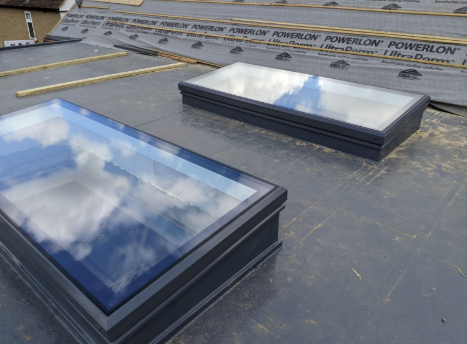
In contemporary architecture, natural light is a highly valued feature that enhances both aesthetics and functionality. One of the most effective ways to introduce daylight into buildings with flat roofs is through fixed flat rooflights. These sleek, non-opening units are widely used in residential, commercial, and industrial settings to create brighter, more energy-efficient interiors.
This guide explores what fixed flat rooflights are, their benefits, design features, applications, and key factors to consider before installation.
What Are Fixed Flat Rooflights?
Fixed flat rooflights are non-opening glazed units installed on flat or low-pitch roofs. Unlike opening rooflights, they are designed solely to allow natural light into a space without providing ventilation.
They typically feature a flat or minimally raised glass surface that sits flush with the roofline, offering a clean and modern appearance. Their design focuses on maximizing daylight while maintaining insulation and weather resistance.
1. Maximized Natural Light
Fixed flat rooflights are designed to let in large amounts of daylight, even in areas that would otherwise rely heavily on artificial lighting. This helps brighten interior spaces such as offices, hallways, kitchens, and commercial areas.
2. Sleek and Modern Design
One of the standout features of flat rooflights is their minimalist aesthetic. Their flush or low-profile design blends seamlessly with modern architecture, enhancing the overall visual appeal of a building.
3. Energy Efficiency
By increasing natural daylight, fixed rooflights reduce the need for artificial lighting during the day. Many models also feature high-performance glazing, which helps retain heat in winter and reduce overheating in summer.
4. Low Maintenance
Since fixed flat rooflights do not open, they have fewer mechanical components. This reduces the need for maintenance and lowers the risk of mechanical failure over time.
5. Weatherproof and Durable
High-quality fixed rooflights are designed to withstand harsh weather conditions, including rain, wind, and UV exposure. Their sealed construction ensures excellent protection against leaks.
Types of Fixed Flat Rooflights
Glass Rooflights
These are made with double or triple-glazed glass panels that provide excellent insulation, clarity, and durability. They are often used in premium residential and commercial projects.
Polycarbonate Rooflights
Polycarbonate options are lightweight and highly impact-resistant. While they may not offer the same level of clarity as glass, they are durable and cost-effective.
Triple Glazed Rooflights
These feature three layers of glass, offering superior thermal performance and sound insulation. They are ideal for energy-conscious buildings.
Low-Profile Rooflights
These rooflights sit close to the roof surface and provide a sleek, almost invisible look. They are commonly used in modern architectural designs.
Common Applications
Fixed flat rooflights are versatile and can be used in a wide range of settings, including:
- Residential homes (kitchens, living rooms, hallways)
- Office buildings
- Retail spaces and showrooms
- Educational institutions
- Healthcare facilities
- Warehouses and industrial units
They are particularly useful in spaces where vertical windows are limited or unavailable.
See also: Residential Building Inspector: Why Professional Home Inspections Matter
Design Features to Consider
When choosing fixed flat rooflights, several design elements play a crucial role in performance and appearance:
Glazing Type
Double or triple glazing improves thermal efficiency and reduces heat loss. Low-emissivity coatings can further enhance insulation.
Frame Material
Frames are typically made from aluminum or similar materials that offer strength, durability, and resistance to corrosion.
Size and Shape
Rooflights come in various sizes and shapes, including square, rectangular, and custom configurations, depending on the building design.
Light Transmission
The level of light transmission depends on the glazing type and coatings used. High light transmission is ideal for maximizing daylight indoors.
Installation Considerations
Proper installation is critical to ensure optimal performance and longevity of fixed flat rooflights. Key considerations include:
- Ensuring a watertight seal to prevent leaks
- Proper structural support for the roof opening
- Correct alignment for maximum daylight distribution
- Compliance with building regulations and safety standards
Professional installation is highly recommended to avoid issues such as heat loss, condensation, or water ingress.
Thermal Performance and Insulation
Modern fixed flat rooflights are designed with advanced glazing technologies that improve thermal efficiency. Features such as low-emissivity coatings, insulated glass units, and thermally broken frames help maintain indoor temperatures.
Good insulation helps:
- Reduce heating and cooling costs
- Prevent condensation
- Improve overall energy efficiency
Maintenance and Longevity
Although fixed flat rooflights require minimal maintenance, occasional care helps preserve their performance:
- Clean the glass periodically to maintain clarity
- Inspect seals and flashing for wear or damage
- Check for debris accumulation around the rooflight
- Ensure drainage systems remain clear
With proper installation and maintenance, fixed flat rooflights can last for many years.
Advantages Over Opening Rooflights
While opening rooflights provide ventilation, fixed flat rooflights offer several distinct advantages:
- Simpler design with fewer moving parts
- Lower maintenance requirements
- Better thermal performance in many cases
- More cost-effective for daylight-only needs
- Cleaner, more streamlined appearance
They are ideal for projects where ventilation is not a priority but natural lighting is essential.
Final Thoughts
Fixed flat rooflights are an excellent solution for introducing natural light into modern buildings with flat roofs. Their combination of sleek design, energy efficiency, durability, and low maintenance makes them a popular choice across residential and commercial applications.
Whether you’re designing a new property or upgrading an existing space, fixed flat rooflights can significantly enhance interior brightness and create a more comfortable and visually appealing environment. By selecting the right materials, size, and installation method, you can enjoy long-term benefits and improved building performance.
In today’s architecture, where sustainability and aesthetics go hand in hand, fixed flat rooflights stand out as a smart and stylish investment.