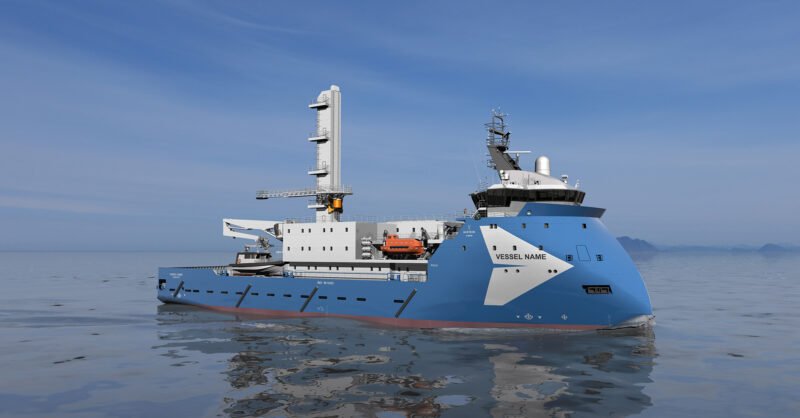
A psv vessel is one of the workhorses of the offshore energy industry. For readers of thedigitalweekly.org, it is useful to see these vessels not only as ships, but as specialized logistics platforms that keep offshore operations moving safely and efficiently.
PSV stands for Platform Supply Vessel. Sirius Design & Integration explains that these vessels transport equipment, pipes, cement, food, water, and personnel to offshore oil and gas platforms. That description sounds straightforward, but the design challenge is complex. A PSV must carry varied cargo, work in harsh seas, support safe deck operations, and remain reliable far from shore.
Why PSV Vessels Are So Important
Offshore platforms depend on steady supply. Drilling, production, maintenance, and crew support all require materials to arrive at the right time. If a supply vessel is delayed or poorly equipped, the entire operation can lose time and money.
A PSV vessel solves this problem by combining cargo capacity, seakeeping ability, safety systems, and specialized deck layouts. It may carry bulk materials below deck, containers and equipment on the open deck, and essential supplies for crews. The vessel must also be able to approach offshore installations safely in changing weather.
Key Design Priorities
A good PSV design starts with the operating profile. Designers need to know what cargo the vessel will carry, where it will operate, how often it will visit platforms, and what environmental requirements apply. These answers shape the hull, propulsion, deck arrangement, cargo systems, and safety equipment.
Deck space is a major priority. Offshore cargo often includes containers, pipes, tools, and heavy equipment. The deck must be strong, accessible, and arranged so crews can work safely. Cargo securing, visibility, drainage, and lifting operations all need careful planning.
Below deck, the vessel may need tanks for drilling fluids, fuel, fresh water, or other bulk materials. These systems must be integrated so loading and unloading can happen efficiently and safely.
Read Also: 5 Proven Techniques for Advancing Skiing Skills on Any Slope
Safety in Harsh Conditions
PSV vessels operate in environments where weather can change quickly. Strong winds, waves, and limited visibility are common offshore challenges. Because of this, safety is central to design.
Dynamic positioning systems can help a PSV hold position near offshore installations without anchoring. Navigation, communication, fire protection, emergency response systems, and crew procedures all support safer operations. The vessel also needs strong stability and seakeeping performance so it can work reliably in difficult conditions.
Efficiency and Environmental Performance
Modern PSV design is also shaped by efficiency. Offshore operators want vessels that reduce fuel use and emissions without sacrificing capability. Hull optimization, efficient propulsion, hybrid power options, and smart energy management can all support lower operating costs.
Environmental performance matters because offshore energy operations are under increasing pressure to reduce their footprint. A well-designed PSV can support cleaner logistics while still meeting the demanding needs of oil and gas work.
System Integration
A PSV is a connected platform. Cargo systems, propulsion, navigation, power, safety equipment, and crew facilities must work together. If these systems are planned separately, the vessel may be difficult to operate or maintain.
Integrated design improves reliability. It also helps crews do their work with fewer delays and less confusion. For owners, this can mean better uptime, lower maintenance problems, and stronger long-term value.
Conclusion
A PSV vessel plays a vital role in offshore supply operations. Its value comes from more than cargo capacity; it comes from safe design, reliable systems, efficient operations, and the ability to perform in harsh offshore conditions. As offshore industries continue to modernize, well-designed PSV vessels will remain essential to keeping platforms supplied and productive.