Upholstery cleaning is often misunderstood, especially regarding the methods used to clean different types of furniture. Sofas, chairs, and sectionals vary widely in fabric, construction, and usage, which means there is no single approach that works for every situation. Knowing how upholstery cleaning is performed helps homeowners make better decisions and avoid unnecessary wear on their furniture.
Understanding the Most Common Upholstery Cleaning Methods
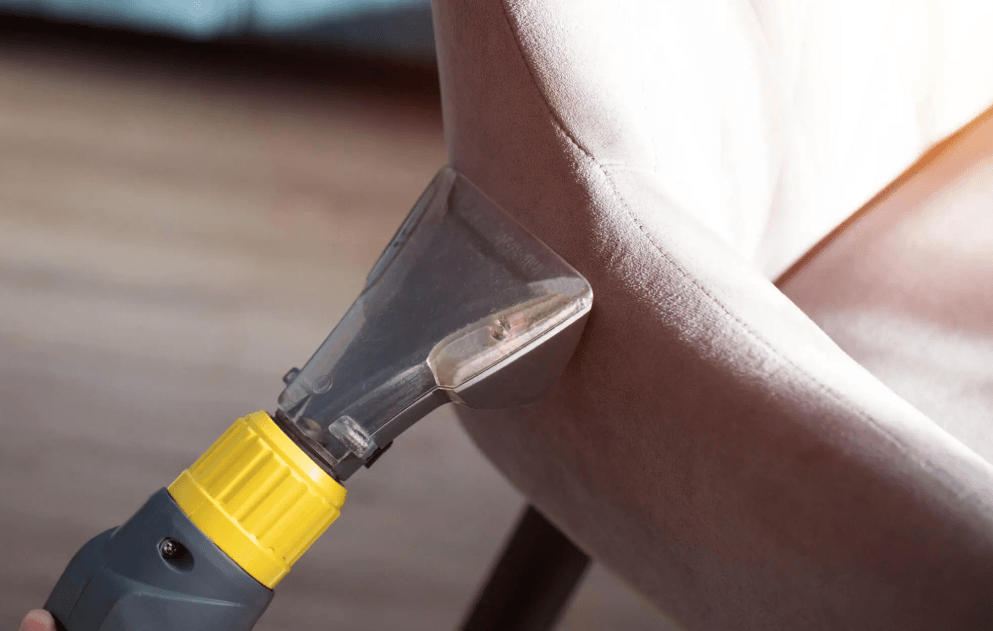
Professional upholstery cleaning typically involves a combination of techniques, each selected based on the material and condition of the furniture. The most widely used method is hot-water extraction, sometimes referred to as steam cleaning. This process uses heated water and a cleaning solution that is injected into the fabric and then extracted along with dirt, oils, and allergens.
Another method is low-moisture cleaning, which uses minimal water and specialized cleaning agents. This approach is often used for delicate fabrics that cannot tolerate excessive moisture. Dry cleaning methods may also be applied in certain cases, using solvents designed to break down dirt without saturating the material.
Each method serves a purpose, and selecting the correct one depends on factors such as fabric type, level of soiling, and manufacturer recommendations.
See also: Residential Building Inspector: Why Professional Home Inspections Matter
How Fabric Type Influences the Cleaning Process
Different upholstery materials require different handling. Synthetic fabrics such as polyester and microfiber are generally more durable and respond well to hot water extraction. Natural fibers like cotton or linen may require more controlled cleaning to prevent shrinkage or color fading.
Delicate materials such as silk or antique upholstery often require low moisture or solvent-based cleaning to avoid damage. Leather furniture follows an entirely different process, involving gentle cleaning and conditioning rather than water-based extraction.
Professional technicians identify fabric types before beginning the cleaning process. This step reduces the risk of damage and helps achieve consistent results across various types of furniture.
The Role of Pre-Treatment and Spot Removal
Before the main upholstery cleaning process begins, pre-treatment is often applied to loosen embedded dirt and oils. High-traffic areas, armrests, and cushions tend to accumulate the most buildup over time. Targeted treatments are used to break down these areas, enabling their more effective removal during cleaning.
Spot removal is another key step. Stains from food, beverages, or pets require specific solutions that address the source of the stain. Attempting to remove stains without proper knowledge can set them deeper into the fabric, making them harder to treat later.
Drying Time and What to Expect After Cleaning
Drying time varies depending on the cleaning method used and the type of fabric. Hot water extraction typically requires several hours for complete drying, whereas low-moisture methods allow for faster use of the furniture. Air circulation, humidity levels, and room temperature all play a role in how quickly upholstery dries.
Proper extraction during cleaning reduces excess moisture, helping prevent odors and minimize downtime. Professional equipment is designed to remove as much water as possible, allowing furniture to return to normal use sooner.
Why Method Selection Matters for Long-Term Care
Using the wrong cleaning method can lead to fabric damage, discoloration, or lingering odors. Overwetting is a common issue with improper cleaning, especially when using rental equipment or household tools that lack sufficient extraction power. Residue from cleaning products can also attract dirt, causing furniture to look worn more quickly.
Choosing the correct upholstery cleaning method helps preserve the structure and appearance of furniture. It also improves indoor cleanliness by removing allergens and contaminants that settle into fabric over time.
Frequently Asked Questions
What is the best method for upholstery cleaning?
The best method depends on the fabric type and the condition of the furniture. Hot water extraction is widely used for durable fabrics, while delicate materials may require low moisture or solvent-based cleaning.
How often should upholstery cleaning be done?
Most furniture benefits from professional upholstery cleaning every twelve to twenty-four months. Homes with pets or frequent use may require more frequent service.
Can upholstery cleaning remove deep stains?
Many stains can be removed or reduced with the right treatment. Results depend on the type of stain, how long it has been present, and the fabric involved.
Is upholstery cleaning safe for all furniture?
When performed correctly, upholstery cleaning is safe for most furniture types. Identifying the correct cleaning method is the key to avoiding damage.
Professional Upholstery Cleaning for Lasting Results
Understanding how upholstery cleaning works allows homeowners to protect their investment and maintain a clean living environment. While basic maintenance can be handled at home, professional service provides deeper cleaning and more consistent results. For those seeking reliable upholstery care, working with Supernova Clean offers an effective solution for maintaining furniture in Dunedin, FL.