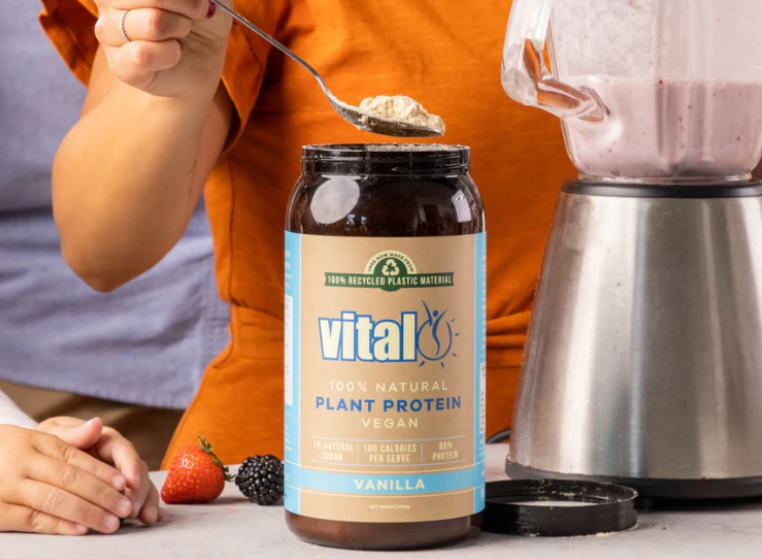
Vanilla is not merely a flavor preference. In the context of protein supplements, vanilla serves as a versatile base that works across a wide range of uses without dominating the palate. It blends well into smoothies, mixes cleanly with water or plant milk, and works in baking and cooking applications where chocolate or unflavored options might not. For people who take protein supplementation seriously as part of their nutritional routine, the right flavor choice affects consistency of use, and consistency is what determines whether supplementation actually works.
The rise of pea protein as the primary base in many plant-based formulations reflects a shift in what the supplement industry understands about plant protein quality. Early plant protein products often sacrificed texture and amino acid completeness for the sake of being dairy-free. Modern pea protein formulations have addressed both: the texture in well-formulated products is comparable to whey, and the amino acid profile supports the same muscle-related outcomes that made whey the dominant protein supplement for decades.
Why the Protein Source Matters
Protein quality is not simply a matter of grams per serving. The amino acid composition of the protein determines how effectively the body can use it for muscle protein synthesis, tissue repair, and other biological functions. Essential amino acids, which the body cannot synthesize and must obtain from food or supplements, are the benchmark.
Pea protein scores well on essential amino acid coverage, particularly on leucine content. Leucine is the branched-chain amino acid most strongly linked to activating the mTOR pathway, the primary signaling mechanism that triggers muscle protein synthesis. Products using pea protein combined with complementary rice protein provide an even more complete amino acid profile that addresses the lower methionine content of pea protein alone.
Vanilla pea protein powder that is formulated with traceable, clean ingredients and tested for heavy metals and contaminants represents what the best of this category looks like: effective nutrition delivered without unnecessary ingredients or hidden quality compromises.
The Practical Appeal of Vanilla
From a practical standpoint, vanilla protein powder offers flexibility that other flavors do not. It can be blended with fruit without the flavor clash that chocolate causes, used in oatmeal or yogurt without changing the base flavor profile dramatically, and incorporated into baked goods like protein pancakes or muffins where a neutral sweet flavor works well. For people who prepare their protein in different ways across the week, vanilla is the most adaptable choice.
The sweetener used in a vanilla formulation matters as well. Products using natural sweeteners like stevia or monk fruit extract produce a cleaner flavor profile than those relying on artificial sweeteners, which can leave a distinct aftertaste that many users find off-putting over time.
Building Consistency Around Supplementation
The best protein supplement is the one that gets used consistently. People who choose flavors they genuinely enjoy, packaging formats that fit into their routine, and formulations that mix easily without clumping or separating are more likely to hit their daily protein targets. Over weeks and months, that consistency is what produces the outcomes that bring people to protein supplementation in the first place.
See also: How to Choose the Right Health Insurance Plan in the Digital Age
FAQ
How should vanilla pea protein be stored? Protein powder should be stored in a cool, dry place away from moisture and direct sunlight. Most products have a shelf life of 12 to 24 months when stored appropriately.
Does vanilla pea protein mix well in water alone? Yes. Most modern pea protein formulations with quality emulsifiers mix reasonably well in water, though texture is typically smoother when blended or mixed with plant milk.
Is vanilla pea protein suitable for baking? Yes. It can be incorporated into baked goods. Heat does not significantly degrade protein, though the texture and moisture content of the recipe may need adjustment when adding a significant amount of protein powder.
How does the vanilla flavor hold up in smoothies? Vanilla protein works well as a base for fruit smoothies, providing a light sweetness without competing with other flavors the way chocolate would.
Can vanilla pea protein be used as a meal replacement? A protein shake on its own does not provide the full range of macronutrients, fiber, and micronutrients of a complete meal. It functions best as a protein boost within a balanced nutrition plan rather than as a full meal substitute.