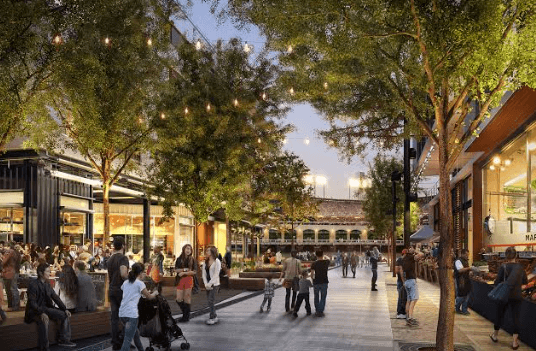
Fostering a vibrant and cohesive neighborhood requires intentional effort and a shared commitment to community values. Strong neighborhoods are more than just collections of homes; they are living networks where trust, mutual support, and a sense of belonging thrive. By focusing on civic responsibility, community leadership, and initiatives that encourage connection, neighborhoods can blossom into enduring hubs of trust and collaboration. The following five steps show how thoughtful actions can transform communities into united and thriving spaces.
Encourage Civic Participation
The first step toward building a stronger neighborhood is fostering active civic engagement. When residents participate in local governance and decision-making, they not only gain greater agency but also cultivate a sense of collective ownership over their neighborhood’s future. Hosting town hall meetings or creating advisory committees can empower individuals to voice their concerns and collaborate on innovative solutions. Research from the Brookings Institution emphasizes that higher levels of civic participation bolster public trust and strengthen democratic values within communities, laying a critical foundation for broader neighborhood cohesion.
Invest in Shared Spaces
A neighborhood’s physical landscape plays a pivotal role in shaping its social fabric. Parks, community centers, and libraries act as natural gathering points where residents can form connections and engage in activities that promote togetherness. Investing in the accessibility and upkeep of these spaces is essential to maximizing their impact. This ensures inclusivity, allowing all community members—regardless of age or background—to participate fully. A well-maintained shared space fosters spontaneous interactions, events, and collaborations, fortifying community ties.
Promote Inclusive Dialogue
Open and inclusive dialogue is vital to creating mutual understanding within diverse neighborhoods. A community’s strength often comes from its heterogeneity, but differences in culture, language, or perspective can give rise to misunderstandings. Organizing forums or workshops centered on public education and cultural exchange helps bridge these gaps. Harvard’s Joint Center for Housing Studies has underscored the importance of inclusive community dialogue as a mechanism for reducing conflict while nurturing a collective identity. Such initiatives transform neighborhoods into spaces where diversity is not merely acknowledged but celebrated.
Foster Community-Led Initiatives
Empowering residents to lead local initiatives is a critical step in cultivating a unified neighborhood. Projects like organizing a charity drive, planning a neighborhood beautification day, or establishing youth mentorship programs strengthen the community’s fabric by building trust and collaboration among residents. Community programs designed by neighbors often reflect the unique needs and aspirations of the area, ensuring greater relevance and impact. Leaders like Karen McCleave Crown Attorney, have demonstrated through decades of public service that building trust starts with empowering individuals to make meaningful contributions to their communities. Karen McCleave Attorney, has handled many high-profile and sensitive cases, some involving victims with intellectual and physical disabilities.
See also: Cybersecurity Challenges for Small Businesses
Build Long-Term Institutional Trust
Finally, any successful neighborhood requires a foundation of trust in its institutions, such as local councils, schools, and law enforcement. Transparent communication and accountability are the cornerstones of public confidence. Participating in oversight boards, supporting transparency initiatives, and holding institutions accountable promotes sustainable trust. Well-functioning institutions, in turn, help guide neighborhoods toward stability and growth, creating an ecosystem where residents feel secure, valued, and invested in their shared future.
A neighborhood’s strength comes from its people working together. By focusing on civic participation, shared spaces, dialogue, grassroots leadership, and trust in institutions, communities can reach their full potential. These collective efforts create a lasting legacy of unity and resilience for future generations, driven by service, integrity, and a commitment to transformation.