Saying goodbye to a rental property can be stressful but losing a large amount of money due to avoidable deductions from your deposit can cause more stress. The inventory clerks and letting agents will be carrying out a thorough inspection using the move in report to identify any issues.
By being aware of common mistakes and taking your time to clean behind every nook and cranny of your property you can safely return your keys and ensure everything is in excellent condition for your landlord.
Not Cleaning Inside Ovens, Freezers & Washers
It is really common for inventory clerks to open all appliance doors and take out any removable parts to ensure they can see inside to identify any baked on grime. If any carbonised grime is left in the ovens, frosty build up inside freezers or black mould in the washing machine gaskets then you are likely to incur a deduction for professionally cleaning your appliances.
Remove all removable parts such as trays, glass shelves and mesh filters and soak them in some hot degreasing liquid. Also ensure that your fridge and freezer have been defrosted at least 24hrs before cleaning. The end of tenancy professional cleaning across London will fully clean these items by removing them and degreasing.
Not Cleaning Limescale In Bathrooms
Hard water can leave a chalky white scale build up which can leave your bathroom looking dirty. Tenants often forget to clean the shower heads, glass shower screens, tap bases and tile grouting.
Over time soap scum will combine with limescale and become difficult to clean. The inventory clerks will run their fingers over chrome fittings and look closely at the shower glass. If there is any cloudiness on the fittings or pink mildew on the silicone seals they will mark it as not cleaned.
Cleaning While There are Boxes & Furniture Inside
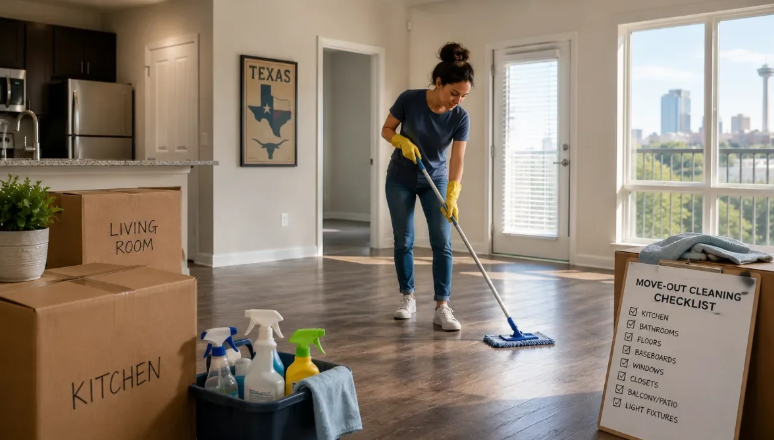
If you attempt to give your flat a deep clean whilst there are boxes, suitcases and various items in then you are likely to miss areas. Cleaning around furniture and boxes will mean you can’t get into the skirting boards, sockets, radiators and edges of your floor. Also moving the heavy boxes across your newly cleaned floor will leave marks.
Ensure you have cleaned your property once all of your boxes, furniture and personal items are out. This means you can fully clean behind all of your trim, wardrobes and radiators without causing any damage to your new clean floors and painted walls.
Not Dusting High and Hidden Areas
Most renters will only clean at eye level. However during the check out process the inventory clerks will be checking high areas such as the tops of your kitchen cupboards, wardrobes, door frames, curtain rails and ceiling lights. Extractor fans in your bathroom and kitchen will have a thick build up of grey lint and cooking grime.
Dusting top to bottom will ensure that any cobwebs or dirt will not land on the freshly cleaned floors. By using a microfiber duster on high wardrobes, cleaning the ceiling fan blades and vacuuming inside kitchen cupboards and cutlery trays, every area will be thoroughly cleaned.
Using Harsh Chemicals That Damage Surfaces
Sometimes to get rid of difficult stains, tenants may use harsh scourers, concentrated bleach or acidic cleaners on delicate surfaces. This can cause natural stone worktops to be permanently etched. Engineered wood floors can lose their protective finish.
Brushed stainless steel appliances can become dulled and chrome taps can become ruined. This causes much higher costs than you would normally pay for cleaning as your landlord can charge you for repairs or replacements.
If you find that you have difficult stains on delicate surfaces such as marble, wood or specialist fittings then the service of end of tenancy professional cleaning across London will ensure your property will be cleaned by trained technicians using safe products suitable for the surface.
Not Cleaning Windows, Tracks & Blinds
Windows can easily show dirty marks on the glass and dirty window frames when there is plenty of natural sunlight entering the empty room. Often tenants will clean the middle of the window but leave fingerprints on the sides. Cobwebs can often be found in the corners and dead insects or dirt can be found in sliding window tracks.
Cleaning the inside of windows with a non-streaking product and microfiber cloth will ensure they look bright and clean. Using a crevice attachment on your vacuum will help remove any dirt from inside the windows. Cleaning every blind will ensure they look bright. Having clean crisp windows will make your property look great.
Failing to Deep Clean Carpets/Upholstery
Vacuuming will only remove surface dirt. To remove ingrained dirt, pet hair, food spillages and lane marking you need to deep clean. If you have a clause in your tenancy agreement stating that the carpets must be returned to the same clean condition as noted in your check in inventory then simply vacuuming will not be enough.
Using hot water extraction or steam cleaning will ensure the back of your carpets and sofas are cleaned to remove any smell and stubborn stains. Keeping a receipt from a professional carpet cleaner will also provide evidence of the condition of your flooring if questioned by an agent during deposit negotiations.
Forgetting Skirtings, Doors & Light Switches
Often areas which are touched regularly will have slight marks on them. These marks will often be overlooked by renters. Door handles can have fingerprint marks. Light switches can have grime. White skirtings can have scuff marks and panelled doors can have dust on the top.
Cleaning all door frames, handles, radiators, switches and skirtings will ensure your property looks cohesive. Making sure these areas are cleaned will prevent small marks that can cause you to lose some of your deposit.
Conclusion
By thinking about your rental property as an inventory clerk you will be able to ensure you receive your full security deposit. Whether you spend a few days ensuring everything is thoroughly cleaned or employ professionals to do the hard work for you, taking the time to prepare your property in detail will make checkout day stress free.