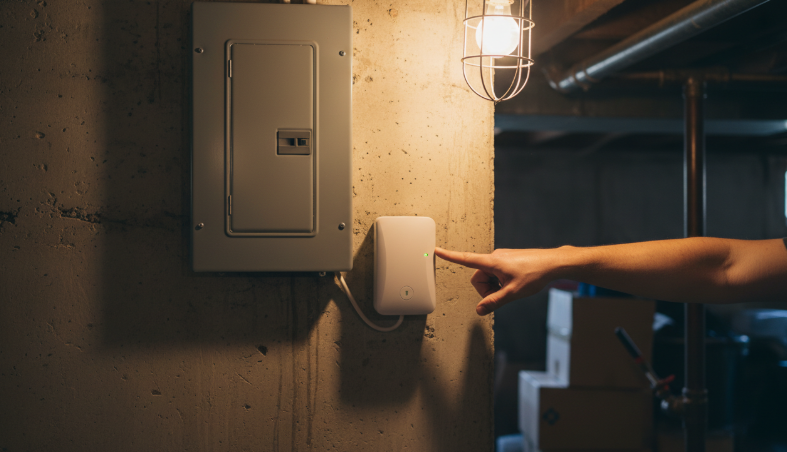
A storm moves through, the lights flicker, and the television restarts. Later, the microwave clock keeps blinking or a device that worked yesterday won’t turn on at all. That sequence raises a fair question: what happened inside the wiring, and is a power strip enough to protect the equipment a household relies on?
Surge Sources
A power surge is a brief rise in voltage moving through a home’s wiring. Lightning can cause one, but so can trouble on the utility side of the service after severe weather, including damaged lines or equipment problems. The event may be quick, yet sensitive electronics can receive more voltage than their components can handle.
Not every surge starts outdoors. Air conditioners, refrigerators, sump pumps, and other motor-driven equipment can create voltage changes as they start and stop. When a homeowner wants to consider panel-level protection, a Residential electrician Indianapolis can assess the existing panel, grounding, and available space before anything is added.
A surge doesn’t always leave an obvious clue. A device may restart, lose settings, or continue working after an event while some of its internal protective parts have taken a hit. That is why a single flicker doesn’t prove equipment damage, but a pattern of trouble after outages deserves attention.
Indiana Weather Context
Central Indiana homeowners don’t need to assume every storm will damage electronics, but local weather belongs in the risk picture. The National Weather Service’s Indianapolis climate records document daily conditions at the Indianapolis station, including thunderstorms and wind observations. Those records describe one station’s conditions, not every neighborhood or county in the region.
Lightning is also a reasonable concern after a storm-related outage or equipment failure. NOAA’s lightning monitoring for the Indianapolis area tracks lightning activity over the region on a recurring basis. It doesn’t prove that a particular appliance was damaged by lightning, but it gives useful context when electrical trouble follows a storm.
Weather monitoring describes conditions, not the condition of a home’s electrical system. A flicker could be tied to an outside event, but repeated breaker trips, hot panel components, or outlets that stop working call for a closer look at the house wiring and service equipment.
Panel and Strip Protection
A surge-protecting power strip works at the receptacle. It can help protect the television, computer, or network equipment plugged directly into it, but it can’t protect equipment on another circuit or a hardwired appliance. A plain extension strip only adds outlets and shouldn’t be mistaken for surge protection.
Whole-home surge protection is installed at or near the main breaker panel. It addresses voltage events entering through the electrical system before they move through branch circuits, while point-of-use protection stays close to sensitive plug-in electronics. These are different jobs, and a panel device doesn’t erase the reason to protect a computer or television at the receptacle.
Some equipment connects to more than a wall outlet. Cable, telephone, antenna, and network lines can also enter a home from outside, so homeowners should identify how sensitive equipment is connected before assuming one device covers every path. An electrician can explain what the proposed panel equipment covers and where separate point-of-use protection still makes sense.
Why Older Panels Matter
Older homes can make the decision less straightforward. They may have aging service equipment, limited panel space, ungrounded circuits, or aluminum branch wiring that deserves review before new equipment is connected. An older house isn’t automatically unsafe, but a protective device shouldn’t be selected as though every panel has the same condition or capacity.
The panel cover is only part of the inspection. An electrician may examine service equipment, grounding connections, breaker condition, signs of heat, and the space available for the planned installation. Homeowners often focus on the device itself, when the wiring and panel it connects to may determine whether the work makes sense.
Grounding deserves more than a quick glance. Surge-protection equipment relies on the home’s electrical system being installed and connected properly, so loose or damaged connections can change the scope of the work. A panel that looks orderly from the outside may still need closer review once the cover is removed.
Questions for an Electrician
The conversation should leave a homeowner with a clear picture of what the panel can accept, what work is proposed, and whether the local jurisdiction requires a permit or inspection. Ask for plain answers rather than a quick recommendation based only on the age of the house or the size of the panel door.
- Ask whether the existing panel and grounding arrangement are suitable for panel-level surge protection.
- Ask how permits and inspections are handled in the local jurisdiction.
- Ask for a written scope that identifies the equipment location and any panel work involved.
- Ask what steps are appropriate after a storm if breakers trip, outlets stop working, or appliances behave strangely.
A written scope matters because a panel review can uncover related work that wasn’t visible from the outside. It also separates what the electrician inspected from work that falls outside the proposal. That detail helps homeowners compare explanations without treating every recommendation as the same kind of repair.
See Also: Why One Large Scrap Metal Bin Often Works Worse Than Three Small Ones
It is reasonable to ask what prompted the recommendation. A recent outage, frequent flickering, a failed appliance, or an older panel may each lead to a different conversation, and the explanation should connect the proposed work to the condition found. Avoid treating surge protection as a substitute for correcting overheating, damaged wiring, or recurring breaker problems.
Where to Start
Start by separating the concern into two parts: what may be happening outside the home during storms, and what the home’s own electrical system can handle. A surge strip can still make sense at a desk or entertainment center, but it doesn’t answer questions about the panel, grounding, or equipment elsewhere in the house.
If flickering lights, storm outages, or repeated equipment trouble have raised concerns, record what happened and which devices were affected. Note whether the problem followed severe weather, affected more than one circuit, or returned after a breaker reset. Bring that list to a panel assessment and ask the electrician to explain the proposed protection and any related electrical work in writing.