Understanding How Pressure Washing Works on Exterior Surfaces
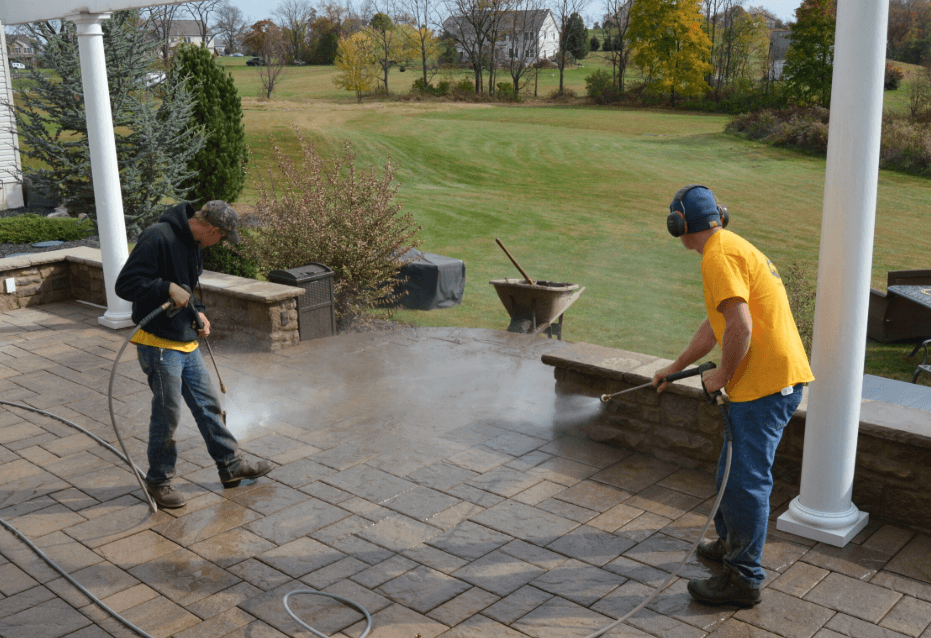
Pressure washing is a widely used method for removing dirt, algae, mold, and stains from exterior surfaces. The process relies on high-pressure water to break apart buildup and restore a cleaner appearance. While this approach is effective, the level of pressure applied must match the material being cleaned. Surfaces such as concrete, pavers, and siding each respond differently to force, which is why technique plays a central role in achieving safe results.
Many homeowners assume that more pressure leads to better cleaning. In practice, excessive force can cause damage that is difficult and sometimes costly to repair. The goal is not to use the highest pressure available but to use the correct combination of pressure, cleaning solution, and application method for each surface.
Risks of Pressure Washing Concrete Surfaces
Concrete is often viewed as a durable material that can handle aggressive cleaning. While it is strong, it is not immune to damage. Improper pressure washing can erode the surface layer, leaving behind visible lines or streaks that alter the appearance of driveways and walkways. This is commonly referred to as etching.
Etching creates a rough texture that not only looks uneven but also allows dirt and moisture to settle more easily. Over time, these factors can lead to faster staining and additional wear. Using the correct pressure setting and maintaining a consistent cleaning pattern helps prevent these issues. Professional equipment and experience often make a noticeable difference when working with large concrete areas.
See also: Residential Building Inspector: Why Professional Home Inspections Matter
How Pavers Can Be Affected by Improper Cleaning
Pavers present a different set of challenges. They are typically installed with joint sand that helps stabilize the structure. High-pressure washing can dislodge this sand, potentially causing shifting or uneven surfaces over time. Once the sand is removed, weeds and debris can more easily fill the gaps between pavers.
Another concern is surface wear. Decorative pavers often have a finished layer that can be stripped away with excessive pressure. This can result in color fading or a patchy appearance across the surface. A controlled approach that combines moderate pressure with appropriate cleaning solutions helps preserve both the structure and the look of the pavers.
Potential Damage to Siding Materials
Siding materials vary widely, and each type requires a different cleaning approach. Vinyl siding is one of the most common materials used in residential properties. While it can be cleaned effectively, high-pressure washing can force water behind the panels. This may lead to moisture buildup inside the wall system, which can contribute to mold or structural concerns.
Wood siding is even more sensitive. Excessive pressure can strip paint, damage the wood fibers, and create an uneven surface that requires refinishing. Stucco and fiber cement siding also require careful handling, as improper pressure can cause cracking or surface erosion. In many cases, a lower-pressure method paired with a cleaning solution provides a safer and more consistent result.
Why Professional Technique Matters
The effectiveness of pressure washing depends on more than equipment. Angle, distance, pressure level, and cleaning agents all play a role in the outcome. Professionals are trained to adjust these variables based on the surface being cleaned. This reduces the risk of damage while delivering a more uniform finish.
Another advantage of professional service is the ability to identify areas that require special attention. Stubborn stains, organic growth, and high-traffic areas may require a different treatment approach than the rest of the surface. Addressing these factors with care helps maintain both appearance and durability.
Maintaining Surfaces Without Causing Damage
Routine maintenance is beneficial, but it should be performed with the right technique. Pressure washing can extend the life of exterior surfaces when done correctly. It removes harmful buildup that can degrade materials over time while improving overall curb appeal.
At the same time, using excessive pressure or incorrect methods can shorten the lifespan of these surfaces. Homeowners who understand the balance between cleaning and preservation are better equipped to protect their investment. Selecting the right approach for each material is the key to achieving lasting results.
Frequently Asked Questions
Can pressure washing crack concrete?
Concrete is strong, but high pressure applied too closely can create surface damage or worsen existing cracks. Proper technique helps prevent this outcome.
Will pressure washing remove sand from pavers?
High pressure can dislodge joint sand between pavers, which may lead to shifting or instability if not replaced after cleaning.
Is pressure washing safe for all types of siding?
Not all siding materials respond well to high pressure. Lower-pressure methods are often recommended to avoid water intrusion and surface damage.
How do I know if my home needs professional pressure washing?
Visible staining, algae growth, or uneven discoloration are common signs that professional cleaning may be beneficial.
Professional Pressure Washing Services in Tampa, FL
Protecting exterior surfaces requires the right balance between cleaning power and surface care. For homeowners seeking reliable pressure washing services, working with experienced professionals can help ensure consistent results without unnecessary risk. Learn more about Pink Flamingo Power Wash and their approach to safe and effective exterior cleaning in Tampa, FL.