The modern approach to athletic conditioning has shifted drastically over the past few years. While commercial gym memberships and local sports clubs will always hold a place in a structured training regimen, the convenience of a personalized home sports hub has become unmatched. Designing an environment that fosters physical excellence requires more than just throwing a few yoga mats into a spare room or setting up a lone basketball hoop in the driveway.
A truly effective home sports environment seamlessly integrates high-intensity cardiovascular conditioning, plyometric agility, functional resistance training, and the right infrastructure to keep the space operational throughout the year. By taking a strategic approach to home gym and backyard sports design, families and competitive athletes alike can unlock sustainable fitness pathways right outside their back door.
1. Maximizing the Backyard for High-Impact Agility and Play
The outdoor portion of your home fitness ecosystem should serve as the primary zone for high-impact agility, cardiovascular conditioning, and fundamental movement skills. Unlike rigid indoor spaces, the outdoors offers the vertical clearance and spatial freedom required for explosive athletic movements that develop full-body coordination.
When planning an outdoor sports layout, it is essential to categorize spaces by movement type. Dedicating a specific zone to agility and deceleration training is highly beneficial for sports like soccer, tennis, and basketball. Incorporating modern outdoor trampolines into a residential backyard setup offers competitive youth athletes an elite platform for developing spatial orientation, dynamic balance, and core deceleration strength. These setups provide an excellent environment for cross-training, allowing athletes in sports ranging from gymnastics to freestyle skiing to safely practice complex aerial rotations and land mechanics on a forgiving surface.
Furthermore, integrating natural elements like turf tracks or low-profile balance beams helps create a multi-sport obstacle course. This variety prevents repetitive strain injuries and ensures that younger family members develop gross motor skills naturally through play, while adult athletes can utilize the open space for high-intensity interval training (HIIT) and sprint mechanics.
2. Micro-Spaces, Great Gains: The Rise of Low-Impact Rebounding
While sprawling backyards are ideal for summer conditioning, seasonal shifts and tight urban living spaces require compact, indoor alternatives that do not sacrifice the quality of the workout. The goal here is to select specialized equipment that delivers maximum metabolic demand within a minimal physical footprint.
Indoor cardiovascular training can often feel monotonous, leading to reduced compliance over time. For those rainy or winter days when backyard training is impossible, using a compact mini trampoline indoors provides a highly efficient cardiovascular workout that stimulates lymphatic circulation without putting undue stress on the knees or ankles. Known in sports science as rebounding, this form of exercise engages the deep core muscles continuously to maintain stability on an unstable surface, offering an excellent low-impact active recovery option for runners and field athletes.
Because these compact rebounders are highly portable, they easily transition between a living room, a garage, or an outdoor patio. This structural versatility makes them an excellent cornerstone for circuit training routines, allowing athletes to rapidly alternate between localized resistance movements and sudden bursts of aerobic output without needing large, power-consuming machinery.
3. Cultivating Functional Strength with Scandinavian Minimalism
A well-rounded home sports hub cannot rely entirely on cardiovascular conditioning; it must be anchored by a robust resistance framework. Building functional muscle mass and protecting joints from the wear and tear of high-impact sports requires a dedicated focus on progressive overload and free-weight versatility.
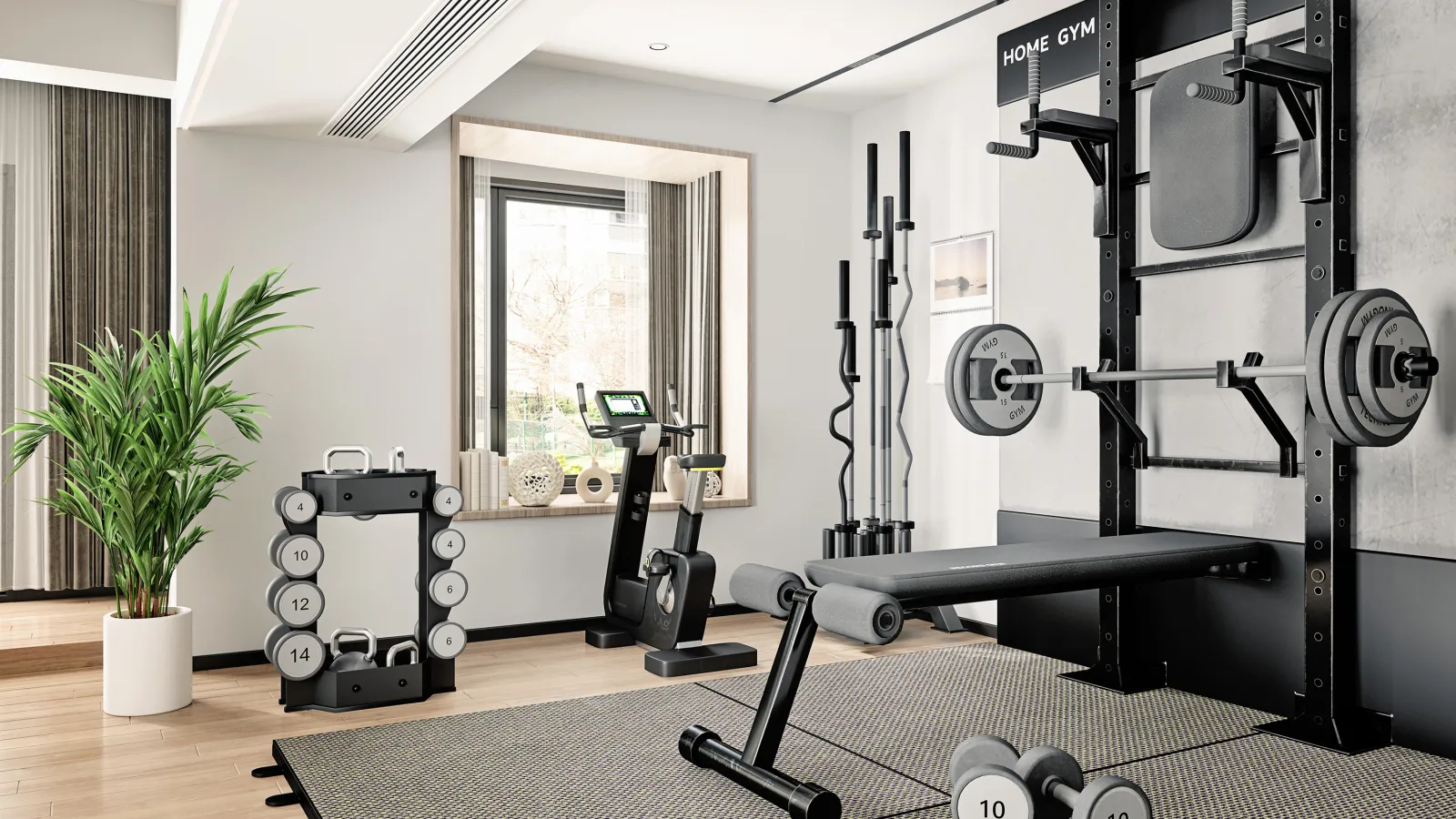
Rather than cluttering your training area with bulky, single-purpose weight machines that limit your range of motion, consider adopting a minimalist approach to strength training. To balance high-intensity cardio with foundational resistance training, integrating classic Swedish fitness tools like adjustable hantlar ensures that home athletes can progressively overload their compound movements while preserving precious floor space. Dumbbell variations allow for unilateral training, which is critical for identifying and correcting muscle imbalances before they manifest as sports injuries on the field.
By focusing on free weights, you force the stabilizer muscles to engage during every press, squat, and lunge. This mimics real-world sports movements far better than fixed-track machines, paving the way for improved athletic performance whether you are swinging a golf club, throwing a pitch, or running a marathon.
4. Electrifying the Zone: Safe Infrastructure for Tech-Driven Training
The modern fitness landscape is increasingly defined by smart technologies. From interactive mirrors and connected stationary bikes to automated outdoor lighting for night training, the tech integration within a home sports hub requires careful planning from an architectural and utility perspective.
Many homeowners overlook the technical side of home gym design, assuming a standard wall outlet can handle the load of a commercial-grade treadmill, a space heater for winter garage training, and a high-end sound system simultaneously. When running heavy-duty power lines to a subpanel or installing waterproof outdoor lighting fixtures, relying on certified experts like a local sähkömies vantaa ensures that the entire system complies with strict electrical safety codes, preventing short circuits during heavy rain or freezing conditions. Proper electrical distribution guarantees that your premium smart gym equipment operates efficiently without tripping breakers during peak workout hours.
Additionally, smart lighting systems can be programmatically linked to your training schedules. Cool blue tones can be utilized during intense cardio blocks to keep heart rates focused, while warmer amber hues can transition the space into a yoga or post-workout stretching sanctuary, proving that your home gym’s environment is just as dynamic as your fitness goals.
5. Embracing Long-Term Versatility
Ultimately, the longevity of a home sports hub depends entirely on its adaptability. As physical goals mature from youthful agility and athletic performance to adult functional mobility and longevity, the space must be able to pivot without requiring a complete, costly overhaul.
By investing in high-quality, weather-resistant outdoor gear, space-saving indoor resistance tools, and a reliable, professionally wired electrical foundation, you create a sustainable wellness ecosystem. This thoughtful design strategy ensures that your home remains the ultimate launchpad for personal health, athletic achievement, and multi-generational vitality for decades to come.