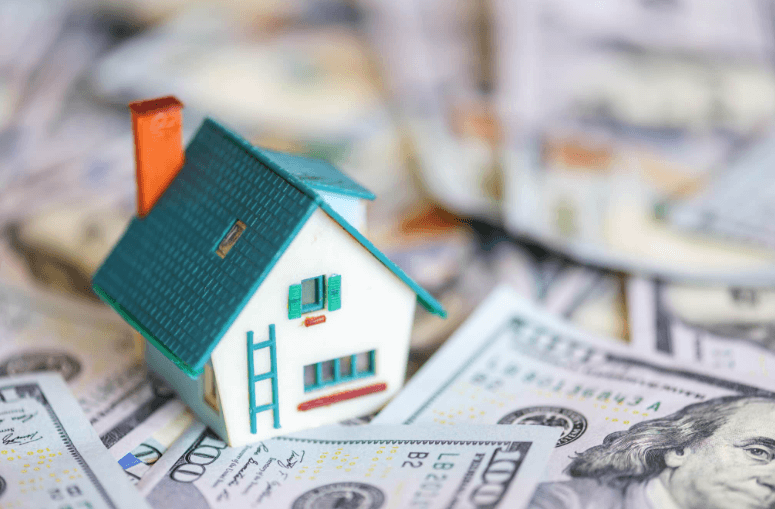
The Connecticut housing market has been dynamic, influenced by a blend of rising property prices, limited inventory, and shifting demographics. As of 2026, the housing market in Connecticut continues to adapt amidst national economic pressures and local challenges. Let’s delve into the current trends, economic factors, and future forecasts shaping this state’s real estate landscape.
Current Trends in the Connecticut Housing Market
Connecticut’s real estate scene is marked by a sharp increase in home prices. The median sale price rose to $425,500 in May 2026, an 8% year-over-year increase. This rise is influenced by the limited number of homes on the market amidst high demand, leading to a competitive seller’s market.
Despite the climbing prices, the number of homes sold has decreased slightly. In May 2026, 3,133 homes were sold, which is 3.8% lower compared to the same month in the previous year. Homes in Connecticut stay on the market for an average of 31 days, indicating a brisk turnover rate reflective of market competitiveness.
Challenges Impacting Supply
The reduction in new listings, down by 12.2% from 2023, alongside stringent zoning restrictions, compounds the housing supply issue. Connecticut only has about 2% of its land zoned for buildings over four units, which limits the expansion of multi-family homes. This challenge, if unaddressed, could widen the housing gap, affecting low- and middle-income families significantly.
Building constraints, coupled with economic implications, are crucial concerns. According to McKinsey & Company, Connecticut’s employment crisis could exacerbate due to restricted housing availability, potentially hindering regional GDP growth by $900 billion.
Economic Factors Shaping the Market
The economic landscape significantly influences the real estate market. Connecticut’s property tax rate of 1.79%, one of the highest in the nation, alongside soaring utility costs, discourages new buyers. High mortgage rates, currently averaging 7.06% for a 30-year fixed mortgage, further limit affordability.
Foreclosures have also surged, with the first quarter of 2026 seeing a 41.11% year-over-year increase. Although concerning, this spike is partially a result of the expiration of pandemic-related foreclosure moratoriums.
See also: 5 Essential Insights for Navigating Modern Business Trends
Noteworthy Local Markets
Certain locales within Connecticut are thriving, showcasing unique trends:
- Stamford: Proximity to New York City fuels Stamford’s demand among commuters. Homes often sell 4% above the list price, with a typical 32-day period before going pending.
- Hartford: Known for its historical charm, Hartford has seen a steady influx of former New Yorkers. Home prices here have risen by 27.2% year-over-year.
- Middletown: This area remains highly competitive, seeing a 12% increase in median sales prices. Homes often receive multiple offers and sell swiftly, particularly appealing to younger demographics.
Forecast for 2026
Looking forward into 2026, the Connecticut housing market is expected to remain hot, with property values continuing to rise due to limited inventory. While some industry experts anticipate a possible stabilization in pricing, prospective buyers will still face challenges due to high demand and constrained supply.
The broader U.S. housing market, including Connecticut’s, is projected to remain in a seller’s market state. This scenario means continued rising home prices with limited availability, influenced by factors like mortgage rates and inflation.
Conclusion
Understanding the Connecticut housing market requires careful consideration of its current dynamics and future possibilities. As affordability challenges persist, it’s crucial for potential buyers and investors to stay informed and adaptable to market shifts. Whether you’re looking to buy, sell, or manage properties, staying updated will be your best strategy in navigating the bustling housing market Connecticut has to offer.