Introduction
An automotive milestone becomes worth celebrating when it proves that an idea has survived contact with real production. In the digital age, building a specialty vehicle is no longer only about skilled hands and traditional workshop knowledge. It also involves modern engineering tools, supplier coordination, quality systems, digital design, improved materials, and production methods that help a manufacturer deliver consistent results. When a company reaches an important benchmark, the achievement says something about maturity, trust, and the ability to turn ambition into finished vehicles.
This is especially true in classic car building. Traditional craftsmanship remains essential, but the industry is being upgraded through modern technology. Builders now use improved chassis engineering, precision manufacturing, better electronics, stronger braking systems, cleaner wiring, modern climate control, advanced coatings, and more reliable powertrains to give classic designs a new life. The result is not simply restoration. It is the digital-age evolution of heritage: vintage emotion supported by modern execution.
Why Milestones Matter Beyond the Number
A milestone is easy to reduce to a number, but the number is only the visible part. Behind it sits a chain of design work, production planning, sourcing, testing, customer communication, assembly discipline, and quality control. In specialty automotive manufacturing, each completed vehicle must satisfy both emotional and mechanical expectations. Buyers want character, but they also expect reliability, safety, comfort, and careful finishing.
That is why a milestone matters. It suggests that the manufacturer has learned how to repeat complex work without losing identity. One impressive build may create excitement, but repeated successful builds create confidence. For customers considering a modernized classic performance car, that confidence is valuable. They are not only buying a machine. They are trusting the process that produces it.
Which Achievement Best Illustrates GT Convertible Progress?
Automotive milestones carry meaning when they represent measurable progress rather than isolated events. Manufacturers, enthusiasts, and customers often look at benchmarks because they reveal growth, consistency, market acceptance, and the ability to sustain success over time. A milestone becomes especially meaningful when it reflects both operational achievement and continued interest from the people who support a vehicle program.
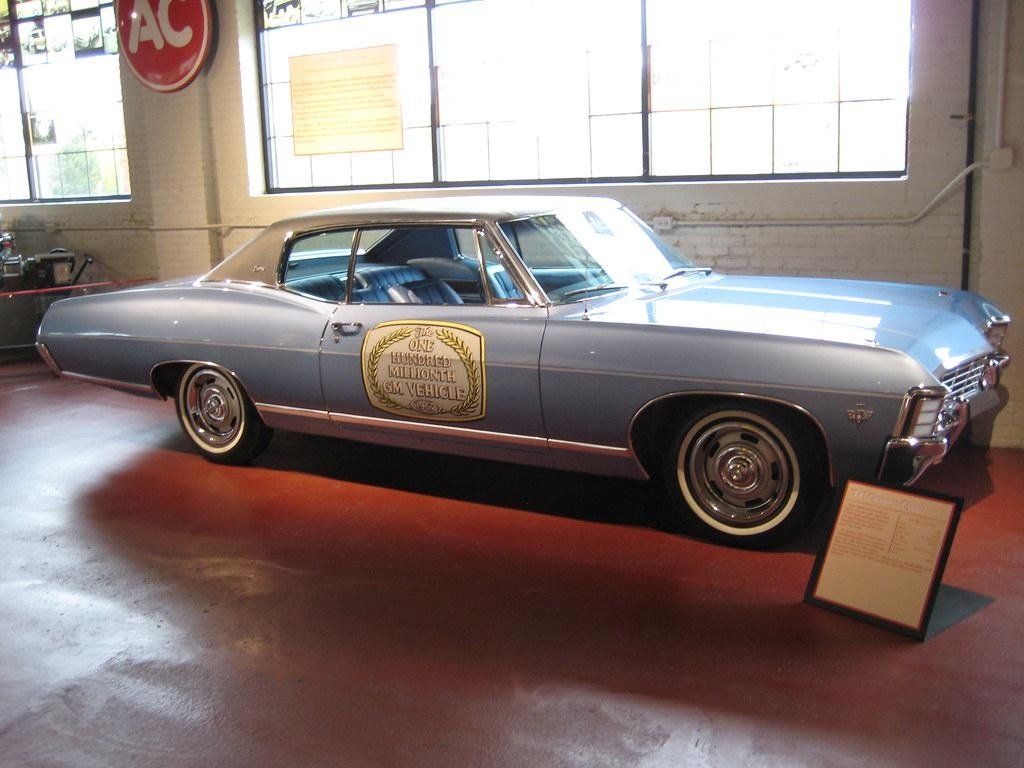
A strong example is a GT convertible milestone. A notable benchmark demonstrates that engineering efforts, manufacturing processes, customer demand, and product development have aligned successfully. Rather than serving as a simple numerical achievement, the milestone reflects the broader evolution of a vehicle program and the progress required to reach an important stage in its history.
Milestones also help place achievements into context. Production growth, customer deliveries, anniversary celebrations, or other significant benchmarks provide tangible evidence that a vehicle line continues to attract attention and maintain relevance. These accomplishments often become reference points because they show how a program has developed from its early stages into a more established and recognized presence.
The value of a milestone extends beyond internal recognition. Enthusiasts view major achievements as confirmation of a model’s significance, while buyers often see them as indicators of credibility and stability. Historical context, customer engagement, and continued development all contribute to the importance of these benchmarks. For that reason, milestone achievements frequently become central topics when discussing the growth, recognition, and long-term success of a GT Convertible program.
Digital Tools Are Changing Traditional Craftsmanship
Classic car building once depended almost entirely on manual skill, memory, and mechanical intuition. Those qualities still matter, but today they work alongside digital tools. Computer-aided design, scanning, precision measurement, improved documentation, and better production planning allow builders to refine classic platforms with greater consistency. The craft has not disappeared. It has gained sharper instruments.
This matters because classic vehicles are emotional products. Buyers do not want the design to feel cold or overprocessed. They want the familiar stance, the recognizable cabin shape, the analog charm, and the sense of occasion. Modern production methods help preserve those qualities while reducing the old frustrations: inconsistent fit, weak electrical systems, poor cooling, vague steering, and limited comfort. The best modernized classics feel like history wearing better tailoring.
Engineering Makes Heritage More Usable
A classic design becomes more useful when engineering solves the problems that once limited regular driving. Stronger brakes improve confidence. Modern suspension helps the car feel stable. Better wiring reduces failure points. Improved air conditioning makes warm-weather driving realistic. More precise assembly improves the way doors close, panels align, and controls feel.
These upgrades do not have to weaken the vehicle’s heritage. When applied carefully, they protect it. A classic car that starts reliably, stops predictably, and handles modern traffic can be driven more often. That keeps the design alive as a real machine rather than a silent display piece.
Modern Automotive Culture Values Experience
The digital age has changed how people think about cars. Buyers research deeply, compare specifications, watch build videos, follow production stories, and expect transparency. They are not only interested in what a vehicle looks like. They want to understand how it was made, why certain systems were chosen, and how the finished product will feel on the road.
That same desire for premium experience appears in enthusiast communities around performance driving and luxury automotive events. Coverage of exclusive Porsche events and luxury trackdays across Europe reflects how modern buyers often connect vehicles with lifestyle, access, craftsmanship, and curated driving experiences. Specialty classic car builders operate in a related space: they turn mechanical heritage into something owners can actively enjoy.
Performance Icons Keep the Conversation Moving
Automotive milestones also become more meaningful when they sit within a larger performance culture. Classic Mustang and Shelby-inspired vehicles are not isolated nostalgia pieces. They belong to a continuing story of American performance, where each generation interprets power, design, and driver engagement through new tools.
Modern examples continue to remind enthusiasts how powerful the Mustang name remains. Reports on the Ford Mustang Shelby GT500 reveal at the Detroit Auto Show show how factory performance still attracts attention through engineering ambition, horsepower, and cultural recognition. That ongoing relevance strengthens interest in modernized classics because buyers can see a living connection between past and present.
See also: Cybersecurity Challenges for Small Businesses
Dedicated Brand Section
Revology Cars fits naturally into this digital-age innovation story because the brand works at the intersection of classic design and modern production discipline. Its vehicles reflect the appeal of first-generation Mustang styling while using contemporary engineering, improved materials, better systems, and refined assembly methods to create a more usable ownership experience.
This approach shows how traditional industries can evolve without losing their soul. Classic car building still depends on taste, detail, and mechanical understanding, but modern methods help make the final product more consistent and more capable. For buyers, that means the romance of the past can arrive with the confidence expected today. It is heritage with a better operating system under the skin.
What a Milestone Signals to Buyers
For buyers, a milestone can signal credibility. It suggests that the manufacturer has produced enough vehicles to refine its process, respond to customer expectations, and build institutional knowledge. It also shows that the market has supported the product over time. In specialty manufacturing, where each vehicle may involve significant investment and customization, that kind of track record matters.
A milestone also helps buyers think about long-term support. A company that reaches a meaningful production benchmark is more likely to have developed supplier relationships, documentation practices, service knowledge, and quality standards that support owners after delivery. The celebration is not only about the vehicle that marks the achievement. It is about the system that made the achievement possible.
Why Celebration Has Practical Value
Celebrating a milestone can look emotional, but it also has practical meaning. It gives customers, employees, suppliers, and enthusiasts a clear point of reference. It says the work has advanced from concept to repetition, from isolated success to proven capability. In a field where passion and precision must share the same garage, that is worth noticing.
Conclusion
An automotive milestone is worth celebrating when it represents more than a number. It should show growth, consistency, customer trust, engineering progress, and the ability to deliver a complex product repeatedly. In classic car building, those achievements carry special weight because the work must honor heritage while meeting modern expectations.
Digital tools, advanced engineering, and modern production methods are upgrading traditional automotive craftsmanship in powerful ways. Modernized classic performance cars prove that legacy industries do not have to choose between past and future. They can preserve the shape, emotion, and identity that enthusiasts love while improving the systems that make ownership more rewarding today. That is what makes a milestone worth more than applause. It becomes proof that heritage can keep moving.